CPVC Pipes: A Complete Guide for Modern Plumbing Solutions
Introduction: What Are CPVC Pipes?
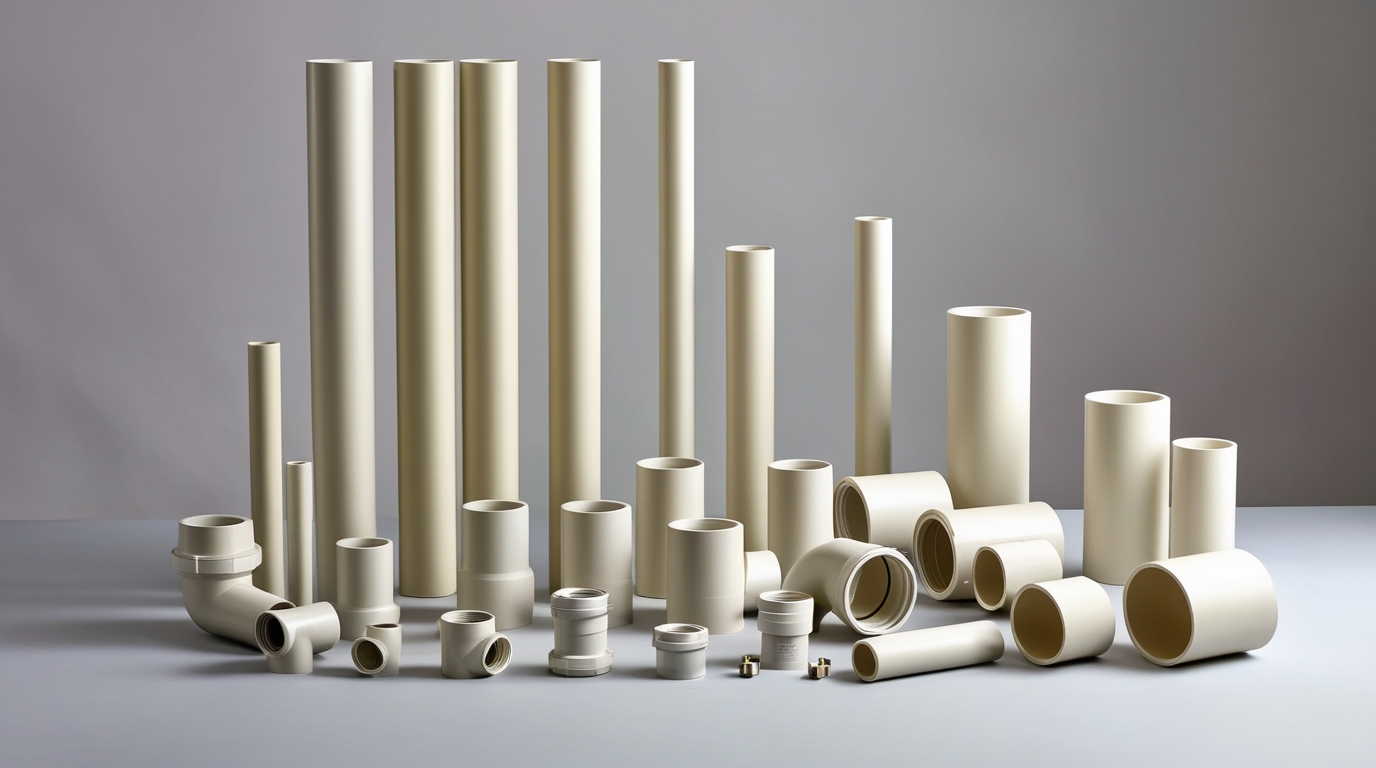
Chlorinated Polyvinyl Chloride, or CPVC pipes, is a specially engineered thermoplastic material designed for hot and cold water plumbing systems. It is known for its exceptional strength, high temperature resistance, and corrosion-proof qualities, making it a favorite among plumbers, contractors, and homeowners.
Unlike traditional metal pipes that may corrode over time or standard PVC pipes that cannot handle high temperatures, CPVC offers a reliable and versatile alternative. It is suitable for residential, commercial, and industrial applications where both performance and durability are essential.
Key Features of CPVC Pipes
Before deciding whether CPVC is right for your project, it is important to understand its defining characteristics. These features explain why CPVC is a strong competitor in the plumbing industry.
- High Temperature Resistance: Can withstand temperatures up to 93°C (200°F) without losing strength.
- Corrosion Resistance: Resistant to rust, scaling, and pitting over time.
- Low Thermal Conductivity: Minimizes heat loss in hot water systems.
- Smooth Interior Surface: Allows better water flow with reduced friction.
- Chemical Resistance: Safe against most common acids, alkalis, and salts.
- Lightweight and Easy to Install: Reduces labor costs and installation time.
Advantages of CPVC Pipes
The choice of CPVC pipes is not just about material preference. It is about long-term performance and value. Here is why they stand out from other options.
- Durability: Long service life even in demanding conditions.
- Safety: Certified for carrying potable water without contamination.
- Versatility: Effective in homes, commercial setups, and industrial sites.
- Low Maintenance: Fewer repairs and replacements needed over time.
- Cost-Effective: More affordable than copper while offering similar benefits.
- Pressure Handling: Performs reliably even under high pressure systems.
Applications of CPVC Pipes
CPVC is widely used in multiple sectors thanks to its adaptability. Its applications include:
- Residential Plumbing: Ideal for hot and cold water lines in homes.
- Commercial Buildings: Used in hotels, hospitals, and office complexes.
- Industrial Plants: Suitable for transporting chemicals and process water.
- Fire Sprinkler Systems: Meets safety standards for high temperature water supply.
How to Install CPVC Pipes
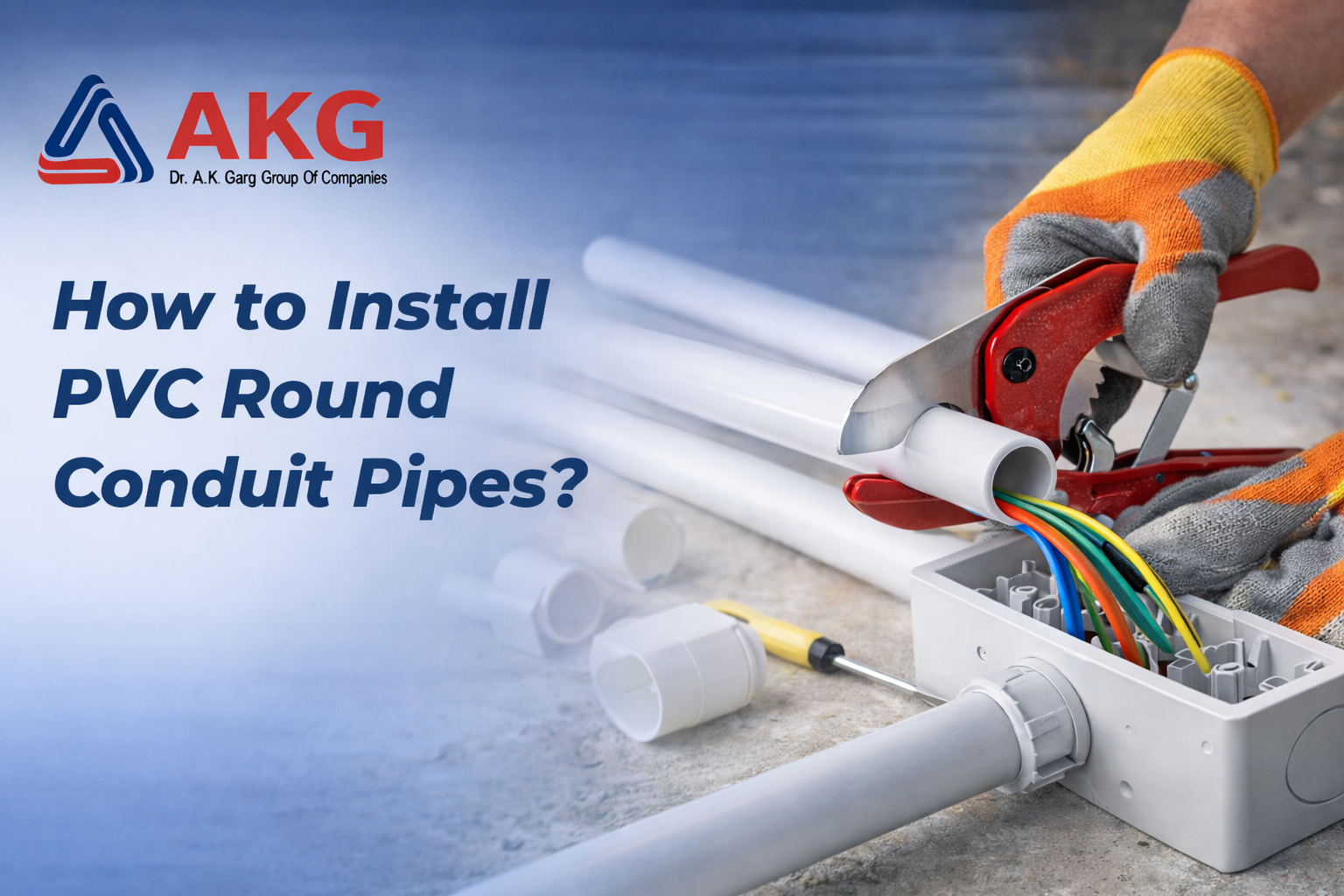
Installing CPVC pipes is straightforward but requires following certain guidelines to ensure longevity and leak-free performance.
- Measure and Cut: Use a fine-toothed saw or CPVC cutter for clean, straight edges.
- Deburr and Clean: Remove rough edges to avoid restricting flow.
- Dry Fit the Pipes: Test the layout before applying cement.
- Apply Primer and Solvent Cement: Create a secure, watertight bond.
- Assemble Quickly: Solvent cement dries fast, so align fittings without delay.
- Allow Proper Curing Time: Wait the recommended time before using the system.
Common Mistakes to Avoid When Using CPVC Pipes
While CPVC is highly reliable, installation errors can compromise performance. Knowing the common mistakes to avoid can save time and costly repairs. Frequent issues include using incompatible solvent cement, overtightening threaded fittings, leaving pipes exposed to prolonged sunlight without UV protection, and skipping proper curing time before pressurization. Addressing these points helps maintain system efficiency and longevity.
Comparing CPVC with Other Plumbing Materials
- CPVC vs Copper: CPVC is more affordable, corrosion resistant, and easier to install.
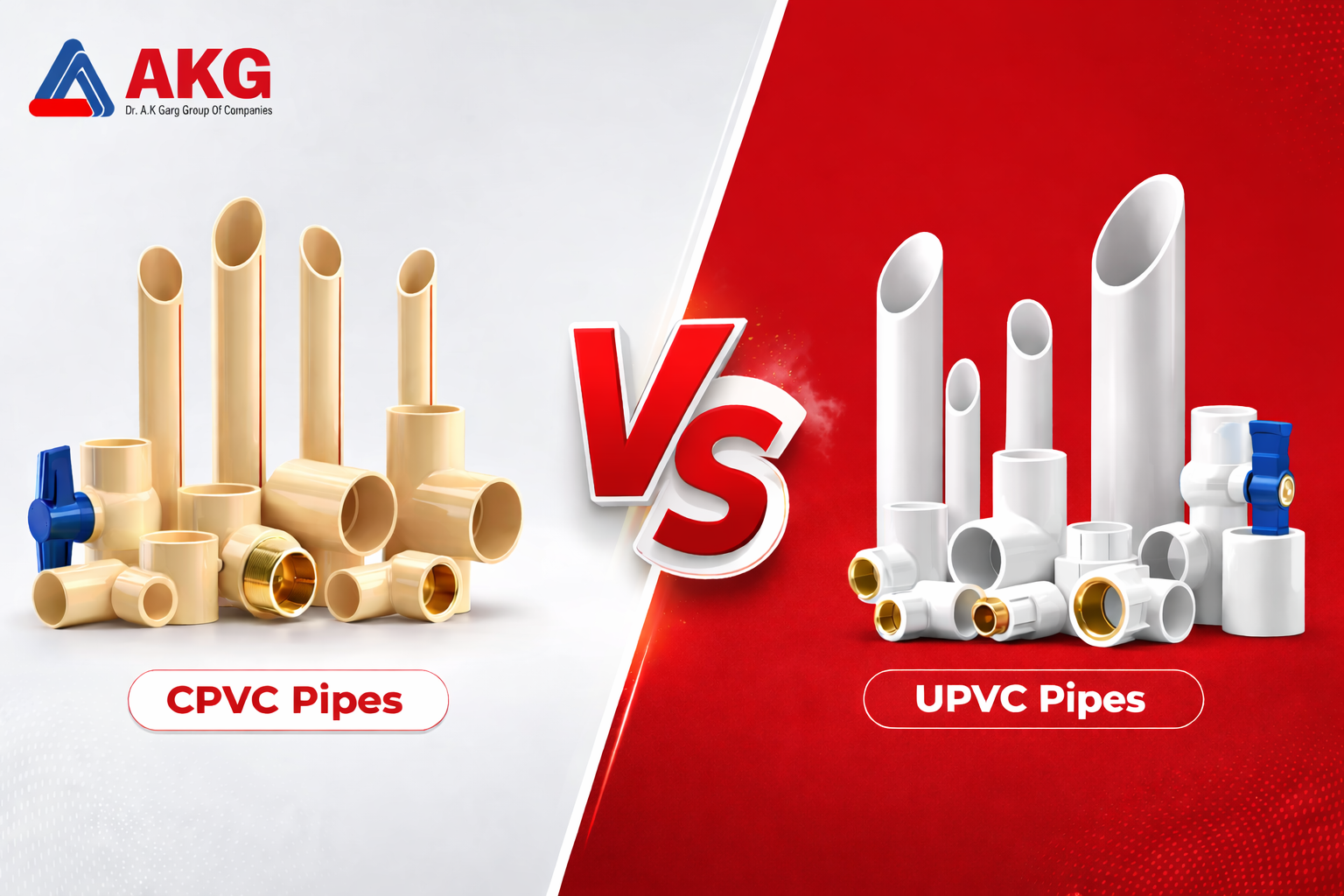
- CPVC vs PVC: CPVC can handle higher temperatures, making it more versatile.
- CPVC vs PEX: CPVC offers better chemical resistance, though PEX is more flexible.
Maintenance and Care for CPVC Pipes
Although CPVC pipes require minimal upkeep, regular maintenance can extend their life.
- Inspect for leaks and wear periodically.
- Use only approved cleaning agents to prevent damage.
- Avoid prolonged UV exposure unless the pipes are UV treated.
- Ensure joints and fittings remain tight but not overtightened.
Conclusion: Why CPVC Pipes Are the Future of Plumbing
In modern plumbing, CPVC pipes represent a blend of durability, cost efficiency, and performance that few materials can match. Their ability to withstand high temperatures, resist corrosion, and maintain safe drinking water quality makes them ideal for both residential and commercial use.
By understanding their features, benefits, and correct installation practices, while avoiding common mistakes, you can create a plumbing system that is efficient, long lasting, and ready for the demands of the future.