Understanding SWR Pipe Type A and Type B: Differences, Specifications & Best Use Cases
1. Introduction
SWR (Soil, Waste, and Rainwater) pipes are essential for maintaining hygienic and efficient drainage systems in modern buildings. However, not all SWR pipes serve the same purpose. Type A and Type B SWR pipes are built for different applications, and understanding their differences helps ensure safety and performance.
This blog explains the SWR pipe Type A and Type B difference, supported by clear comparisons and practical guidance to help you choose the right type for your needs.
2. What is an SWR Pipe & Where It Fits
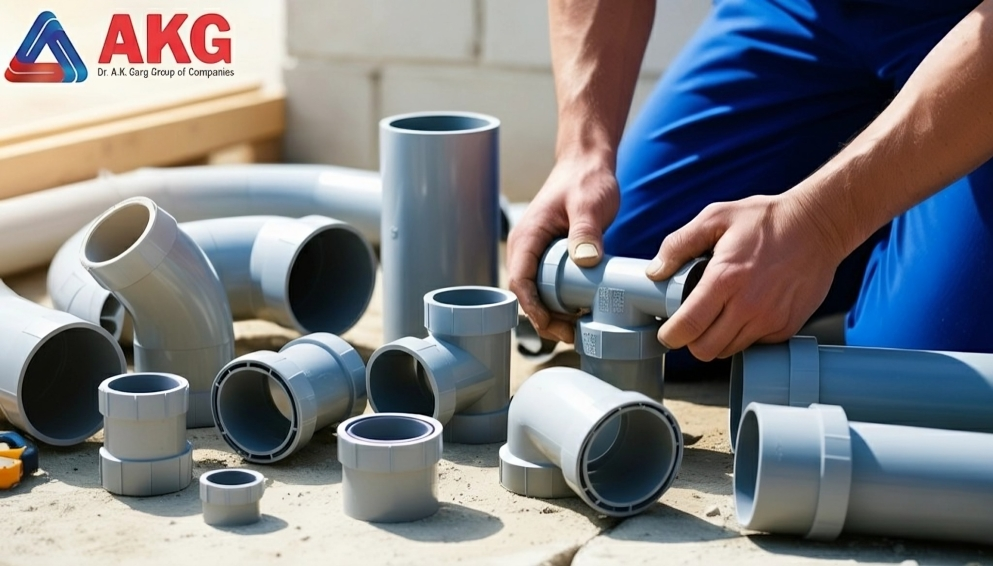
SWR pipes are made from unplasticized polyvinyl chloride (uPVC), a strong, lightweight, and corrosion-resistant material ideal for drainage applications. These pipes are designed for the efficient discharge of soil, waste, and rainwater from residential, commercial, and industrial structures.
Key Features of SWR Pipes:
- Smooth inner surface ensures a steady water flow
- Leak-proof joints with ring-fit or solvent-fit systems
- Resistant to rust, chemical reactions, and weathering
- Easy installation and low maintenance
Common Applications:
- Residential bathrooms and kitchens
- Roof drainage and rainwater outlets
- Industrial and commercial waste systems
- External or underground drainage
3. Type A vs Type B: Side-by-Side Comparison
The main SWR pipe Type A and Type B difference lies in their wall thickness, strength, and application area. The table below provides a simple comparison:
| Feature | SWR Pipe Type A | SWR Pipe Type B |
|---|---|---|
| Usage | Internal drainage systems (soil and waste discharge) | External and underground drainage systems |
| Wall Thickness | Slightly thinner for low-pressure flow | Thicker to handle higher external loads |
| Load Capacity | Suitable for light-duty domestic use | Designed for heavy-duty applications |
| Material | uPVC | uPVC |
| Installation Area | Bathrooms, kitchens, internal outlets | Outdoor, underground, or rainwater lines |
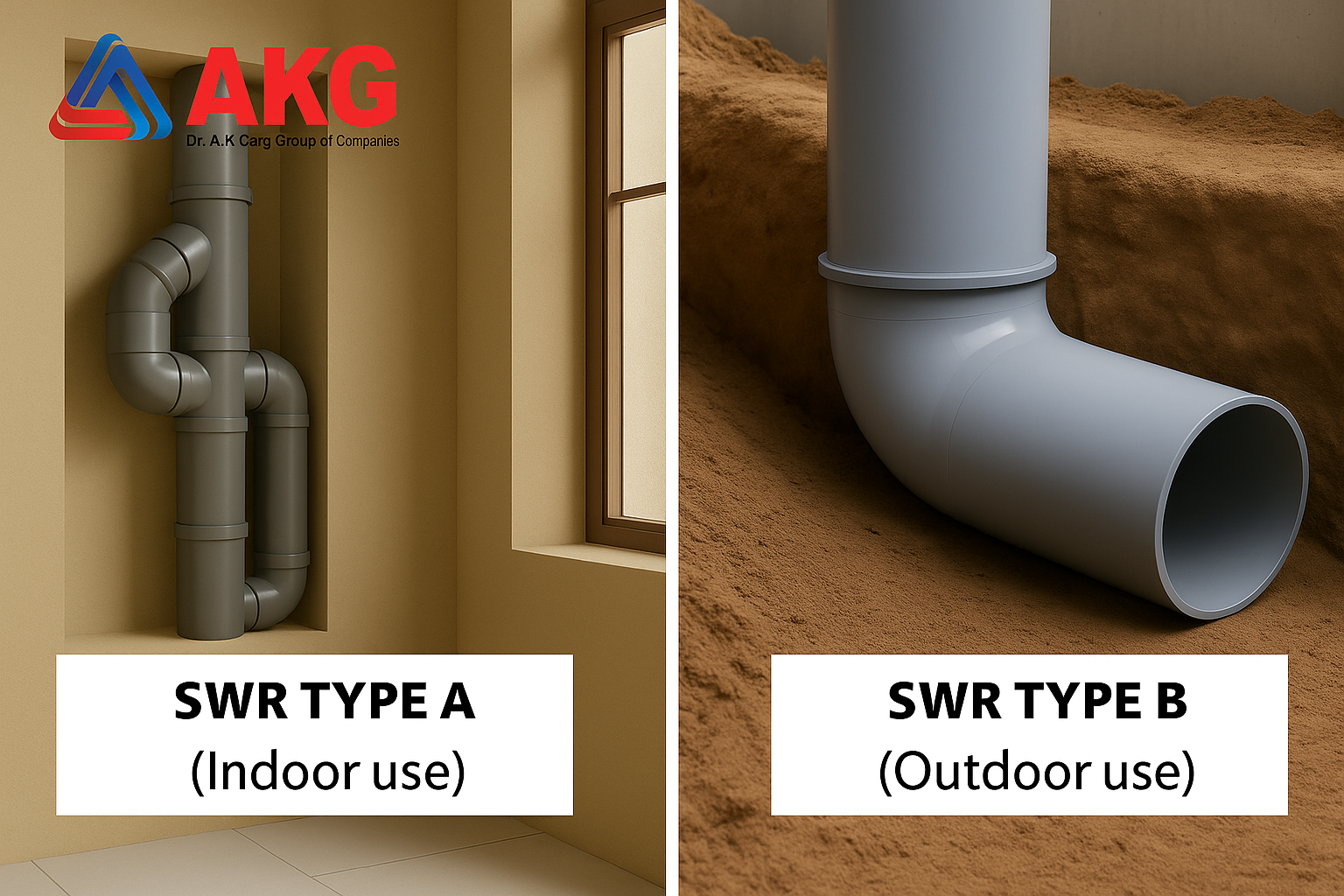
In short, Type A is used inside buildings, while Type B is preferred for outdoor and underground systems where more durability is required.
4. Standards & Quality Checks to Keep in Mind
Both SWR Type A and Type B pipes are produced under strict Indian quality standards that ensure reliability and performance. Always check for:
- An ISI mark that confirms compliance with national standards
- Proper labeling mentioning pipe type, size, and diameter
- Smooth inner surface for consistent flow and reduced blockages
Choosing certified and correctly labeled pipes ensures durability and long-term performance.
5. Best Use-Cases and Decision Guide
The choice between Type A and Type B pipes depends on where they will be installed and the load they must handle.
| Requirement | Recommended Type | Reason |
|---|---|---|
| Indoor soil or waste drainage | Type A | Lightweight and easy to fit |
| Outdoor or underground drainage | Type B | Thicker walls provide higher strength |
| Multi-storey buildings | Type B | Can withstand greater load pressure |
| Roof rainwater discharge | Type A or Type B | Depends on structural load and design |
Many builders use a combination of both types for maximum efficiency: Type A for internal lines and Type B for outdoor or underground use.
6. Installation, Life-Cycle & Cost Insights
Installation Tips:
- Clean pipe ends before joining to ensure a tight seal
- Apply lubricant evenly to ring-fit joints to prevent leaks
- Maintain the right slope for smooth wastewater flow
Durability and Maintenance:
SWR pipes require very little upkeep due to their corrosion resistance. Properly installed pipes continue to perform effectively for several years without needing frequent replacements.
Cost Insight:
Type B pipes are slightly more expensive because of their thicker walls, but their long-term strength and durability make them a more economical choice for heavy-duty applications.
7. Conclusion
Understanding the SWR pipe Type A and B difference helps homeowners, builders, and contractors choose the right system for safe, durable, and efficient drainage setups. Both pipe types are crafted from high-quality uPVC, a material also used in upvc pipes and fittings and swr pipes and fittings, ensuring long service life and corrosion resistance.
Choosing the right type enhances system performance while minimizing future repair and maintenance needs. In a complete plumbing setup, SWR pipes form an integral part of the system, ensuring safe water disposal and organized utility management throughout the building.
FAQs
1. What factors should I consider when choosing between SWR Type A and Type B pipes?
Focus on installation location, discharge type, and the expected load. Indoor setups typically require Type A, while outdoor or underground systems are better suited for Type B.
2. Are SWR Type A and Type B pipes manufactured under the same standards?
Yes. Both types follow the same Indian quality standards, with variations in wall thickness and intended use.
3. How long do SWR pipes typically last?
The lifespan of SWR pipes depends on installation quality, operating environment, and maintenance. When installed correctly, they can deliver reliable performance for many years.
4. Can SWR pipes be used for underground or rainwater systems?
Yes. Type B pipes are suitable for underground and rainwater drainage, while Type A is used for internal discharge lines.