Plumbing Fixtures and Fittings: A Complete Guide for Long-Lasting Systems
Introduction: The Importance of Choosing the Right Plumbing Fixtures and Fittings
A well-functioning plumbing system depends on the quality and compatibility of plumbing fixtures and fittings. These components connect your home or commercial property to essential water supply and drainage systems. Choosing the right ones not only improves efficiency but also reduces the risk of leaks, enhances durability, and adds style to your space.
Whether you are renovating, building new, or replacing old components, understanding the importance of proper selection can save you money and headaches in the long run.
What Are Plumbing Fixtures and Fittings?
Plumbing fixtures are the devices that deliver and drain water within a building, such as sinks, faucets, showers, and toilets.
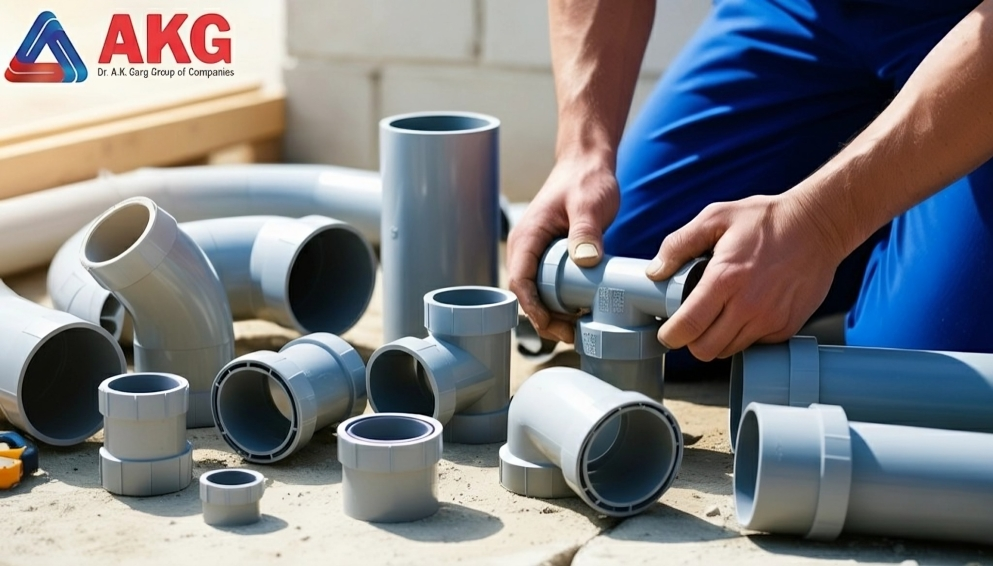
Plumbing fittings are the connectors and joints that link pipes, control water flow, and ensure leak-free performance. These include elbows, tees, couplings, adapters, and more.
Together, plumbing fixtures and fittings form a complete water delivery and drainage system that functions smoothly when properly installed and maintained.
Types of Plumbing Fixtures
Some of the most common plumbing fixtures include:
Faucets and Taps
Installed in kitchens, bathrooms, and utility areas for water access.
Sinks and Basins
Essential for washing, cooking, and cleaning tasks.
Showers and Bathtubs
Provide comfort and hygiene for daily living.
Toilets and Bidets
Central to sanitation in any property.
Urinals
Found mainly in commercial restrooms.
Outdoor Fixtures
Such as garden taps and hose bibs for external water use.
Types of Plumbing Pipe Fittings
Pipe fittings come in various shapes and purposes, including:
Elbows
Redirect water flow at 45° or 90° angles.
Tees
Branch water into multiple directions.
Couplings
Join two pipes in a straight line.
Adapters
Connect pipes of different materials or sizes.
Unions
Allow easy disconnection and reconnection.
Reducers
Change pipe diameter to manage flow.
Caps and Plugs
Seal the ends of unused pipes.
Each fitting type plays a critical role in system performance and efficiency.
How to Choose the Right Plumbing Fixtures for Your Needs
When selecting fixtures, focus on:
- Functionality – Match the fixture to its intended use.
- Material Quality – Opt for brass, stainless steel, or ceramic for longevity.
- Water Efficiency – Choose water-saving designs to cut utility costs.
- Design and Finish – Blend fixtures with your décor style.
- Maintenance – Pick designs that are easy to clean and repair.
Checking for product certifications ensures safety and performance compliance.
How to Choose the Right Plumbing Pipe Fittings
Pipe fittings should be chosen based on:
- Compatibility – Match fittings to your pipe material and size.
- Durability – Choose corrosion-resistant options.
- Pressure and Temperature Rating – Ensure fittings can handle the system’s demands.
- Ease of Installation – Some fittings are easier to install, reducing labor time.
Investing in high-quality fittings reduces the risk of costly future repairs.
Common Mistakes to Avoid When Choosing Fixtures and Fittings
When working with plumbing fixtures and fittings, it is important to be aware of the Common Mistakes to Avoid. Many issues arise from ignoring compatibility, prioritizing style over function, or choosing the cheapest option without considering quality. Being mindful of these mistakes helps ensure your plumbing system remains reliable, efficient, and easy to maintain.
How to Install Plumbing Fixtures and Fittings
While some simple installations can be DIY projects, many require professional expertise.
Basic Installation Steps:
- Turn off the water supply to prevent leaks.
- Remove old fixtures or fittings and clean connection points.
- Position the new fixture or fitting accurately.
- Use plumber’s tape or sealant to secure connections.
- Turn on the water supply and check for leaks.
Following manufacturer guidelines ensures a safe, long-lasting installation.
Conclusion: Selecting the Right Fixtures and Fittings for Long-Lasting Plumbing
The right plumbing fixtures and fittings are essential for an efficient, durable, and visually appealing plumbing system. By understanding different types, knowing how to choose wisely, and avoiding common mistakes, you can ensure a systematic solution that performs well for years.
Whether upgrading a single fixture or installing an entire plumbing network, investing in quality components pays off in reliability and reduced maintenance costs.