Plastic Pipes in Plumbing: A Modern Solution for Efficiency and Durability
.png)
Introduction: Why Plastic Pipes are Revolutionizing Modern Plumbing
Over the last few decades, plastic pipes have transformed plumbing systems by offering lightweight, corrosion-resistant, and cost-effective solutions. Unlike traditional metal pipes, they do not rust, scale, or corrode, making them a reliable long-term choice. Advancements in materials like PVC (Polyvinyl Chloride), UPVC (Unplasticized PVC), CPVC (Chlorinated PVC), PEX (Cross-linked Polyethylene), HDPE (High-Density Polyethylene), PP-R (Polypropylene Random Copolymer), SWR and (Soil, Waste, and Rain) pipes have further enhanced their versatility and performance.
Types of Plastic Pipes Used in Plumbing
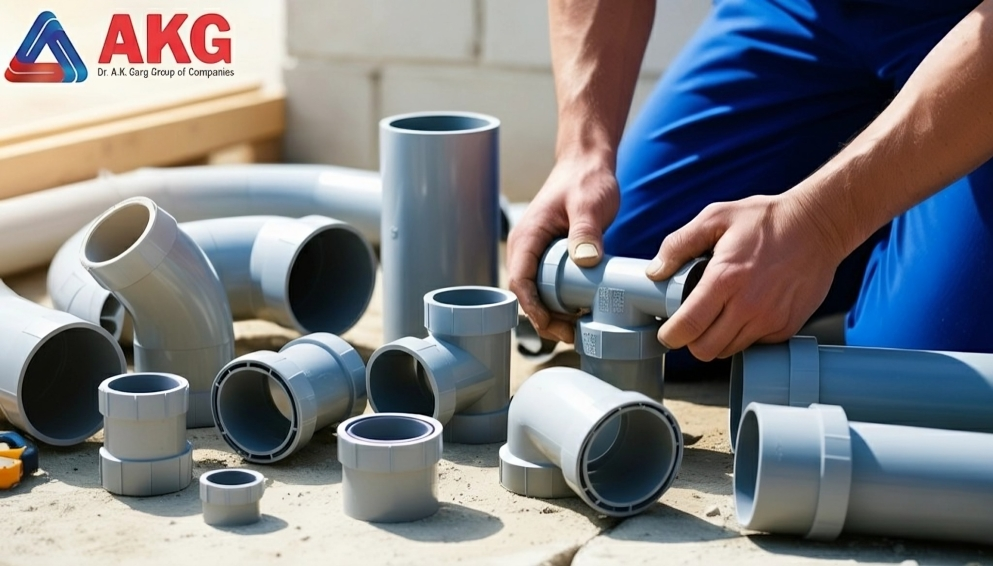
Several types of pipes are commonly used in plumbing, each designed for specific purposes:
PVC (Polyvinyl Chloride) Pipes
Widely used for cold-water supply lines and drainage due to their lightweight, corrosion resistance, and low cost.
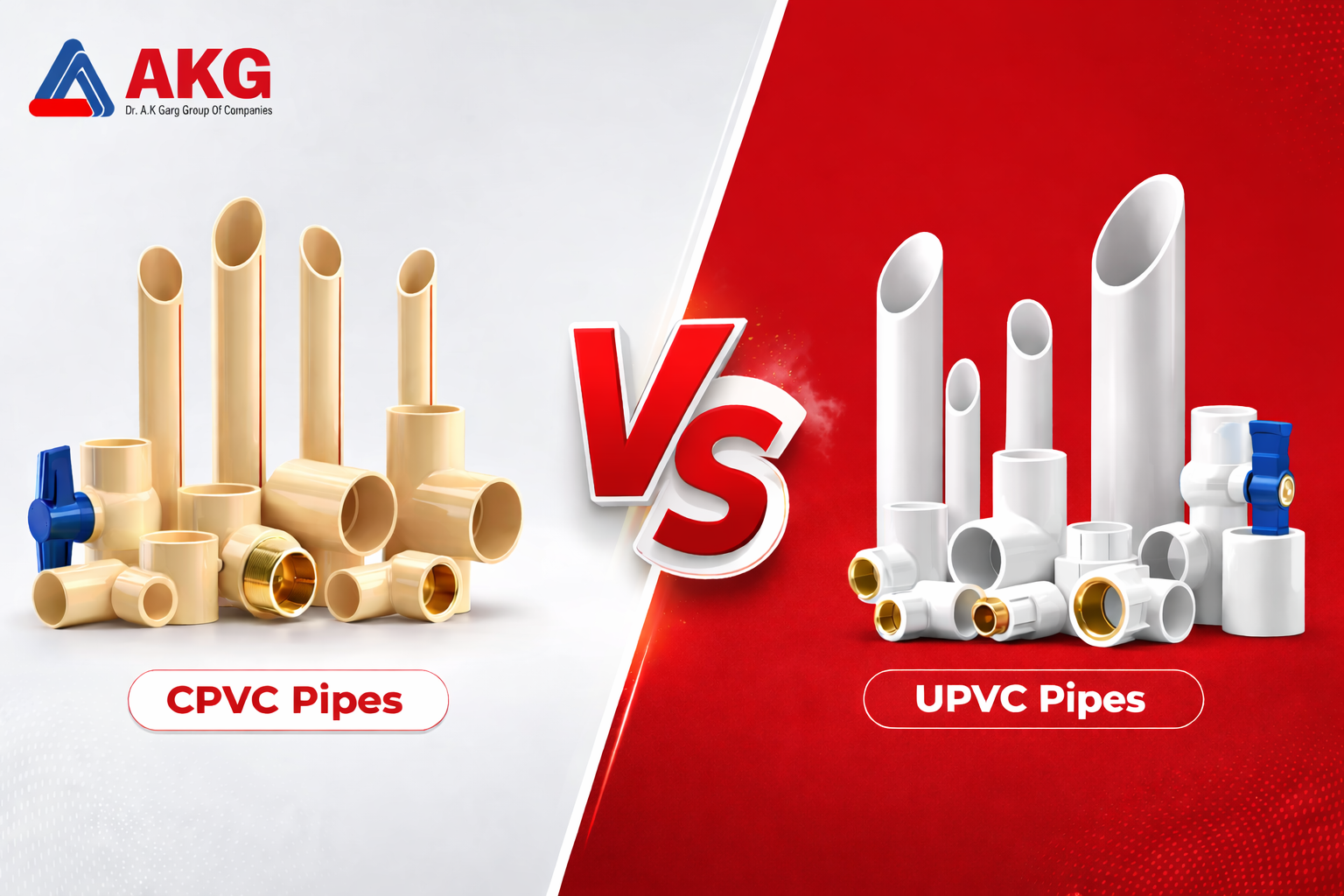
UPVC (Unplasticized PVC) Pipes
Rigid and durable, suitable for water supply and drainage systems with excellent chemical resistance.
CPVC (Chlorinated PVC) Pipes
Ideal for both hot and cold-water applications; higher temperature resistance than standard PVC.
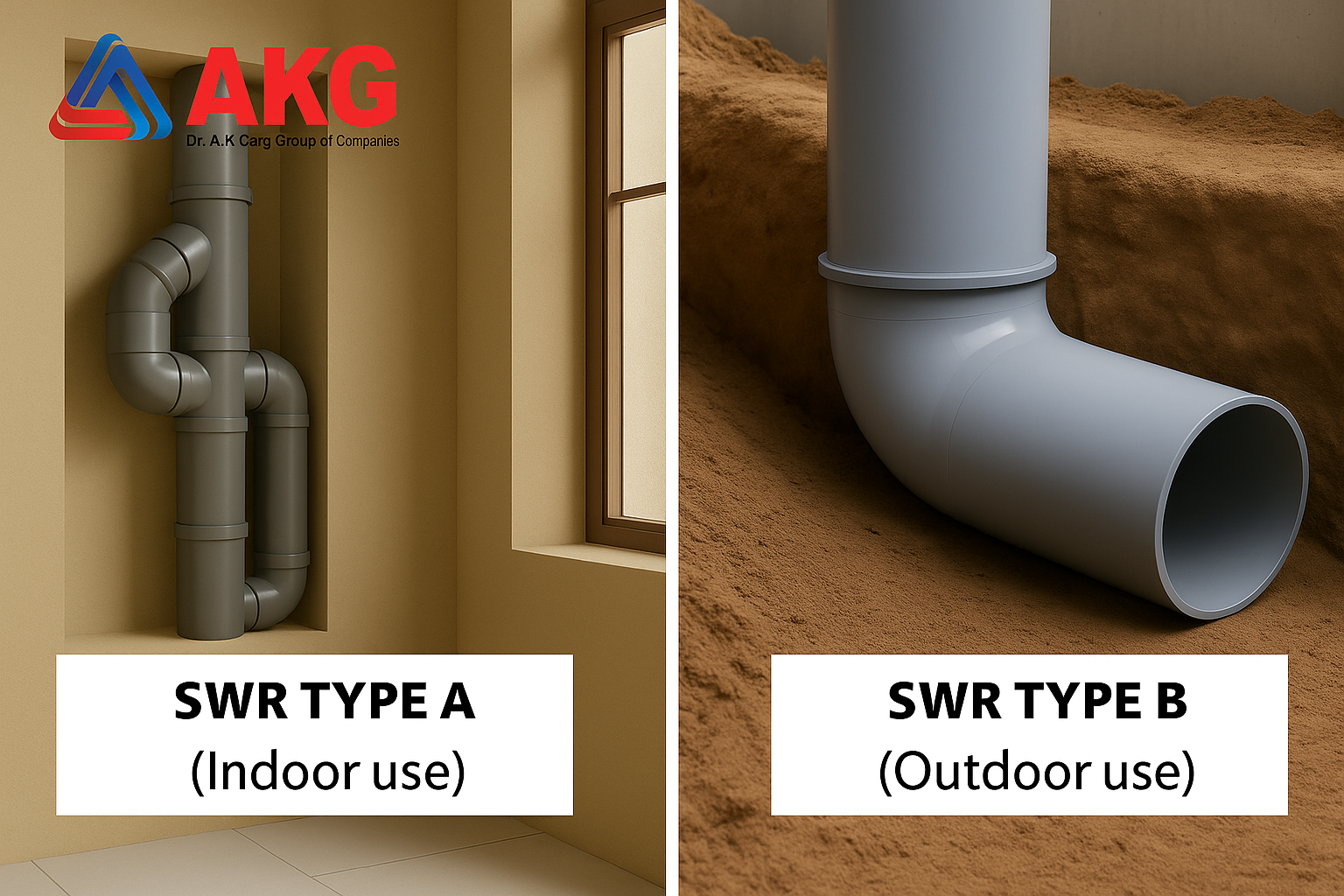
SWR (Soil, Waste, and Rain) Pipes
Used for wastewater, soil, and rainwater drainage; usually made from PVC or UPVC.
PEX (Cross-linked Polyethylene) Pipes
Extremely flexible and perfect for modern water distribution systems, including underfloor heating.
HDPE (High-Density Polyethylene) Pipes
Durable, impact-resistant, and suitable for high-pressure water supply and outdoor installations.
PP-R (Polypropylene Random Copolymer) Pipes
Often used for hot and cold-water delivery systems with excellent chemical resistance.
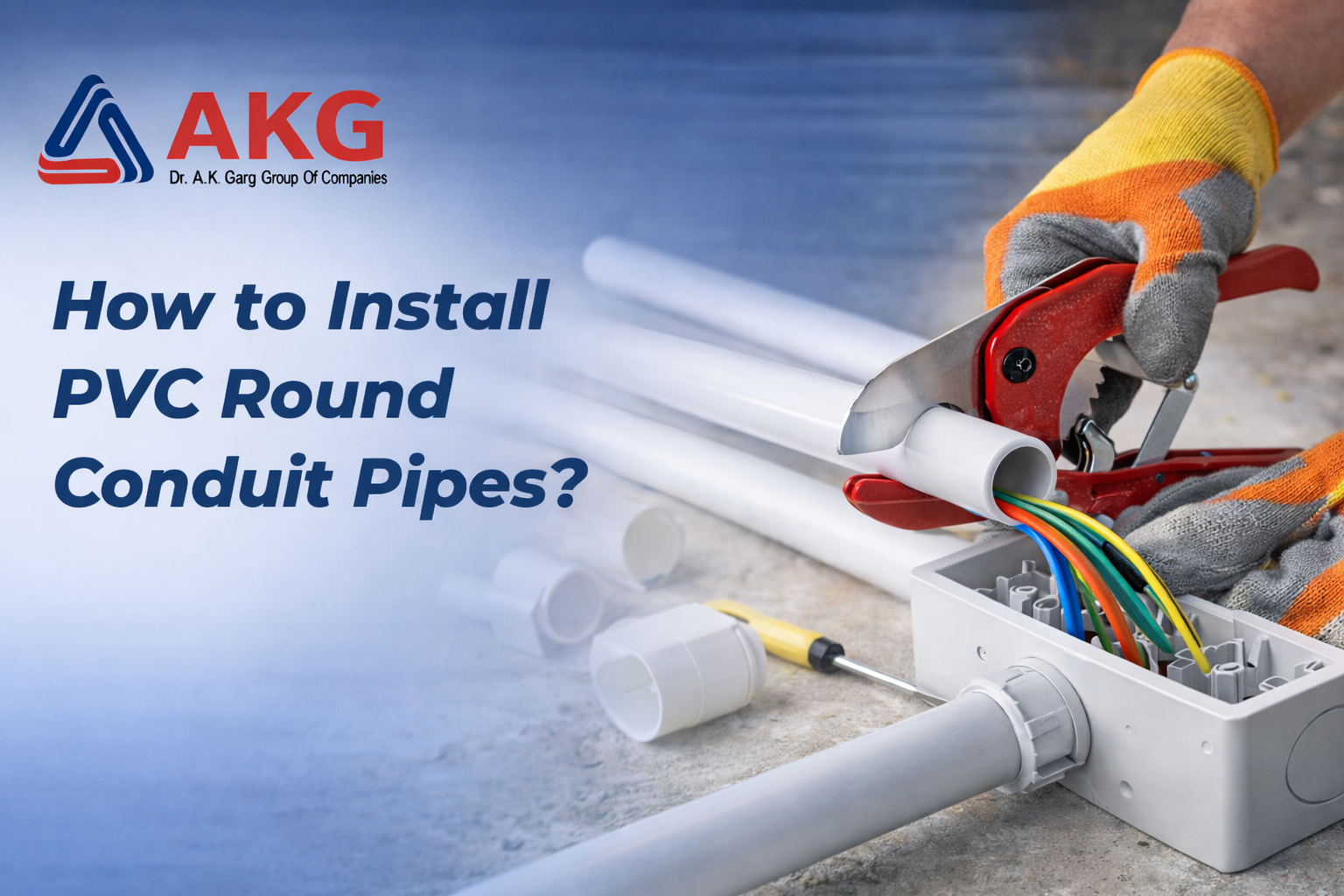
Round Conduit Pipes
Protect electrical wiring in plumbing and building installations; lightweight and corrosion-resistant.
The right choice depends on the water type, temperature, pressure requirements, and installation environment.
Key Features of These Pipes
These pipes in plumbing are favored because they offer a range of features that address common plumbing challenges:
- Corrosion Resistance – They do not rust or scale, maintaining smooth water flow over time.
- Lightweight Construction – Easy to transport and install, reducing labor costs.
- Chemical Resistance – Withstand exposure to various chemicals found in water or cleaning agents.
- Flexibility – PEX and similar pipes can bend easily, reducing the need for multiple joints.
- Smooth Internal Surface – Minimizes friction, preventing blockages and maintaining consistent water pressure.
- Longevity – Properly installed pipes can last 50 years or more with minimal maintenance.
Benefits of Using Plastic Pipes in Plumbing
The shift toward these pipes offers multiple benefits for both installers and property owners:
- Cost-Effectiveness – Lower material and installation costs compared to metal alternatives.
- Energy Efficiency – Minimal heat loss in hot water lines, especially with insulated pipes.
- Low Maintenance – Reduced risk of leaks, scaling, or internal corrosion means fewer repairs over time.
- Versatile Applications – Suitable for potable water, drainage, waste, and vent systems.
- Quiet Operation – They absorb vibration and noise better than metal pipes, making them ideal for residential use.
- Environmentally Friendly – Many types are recyclable, reducing environmental impact.
How These Pipes are Installed
The installation of plastic pipes in plumbing is faster and easier compared to traditional materials:
Planning and Measurement
Map out the piping system, ensuring efficient routes and minimal joints.
Cutting the Pipes
Use a pipe cutter or fine-tooth saw for clean, square cuts.
Joining the Pipes
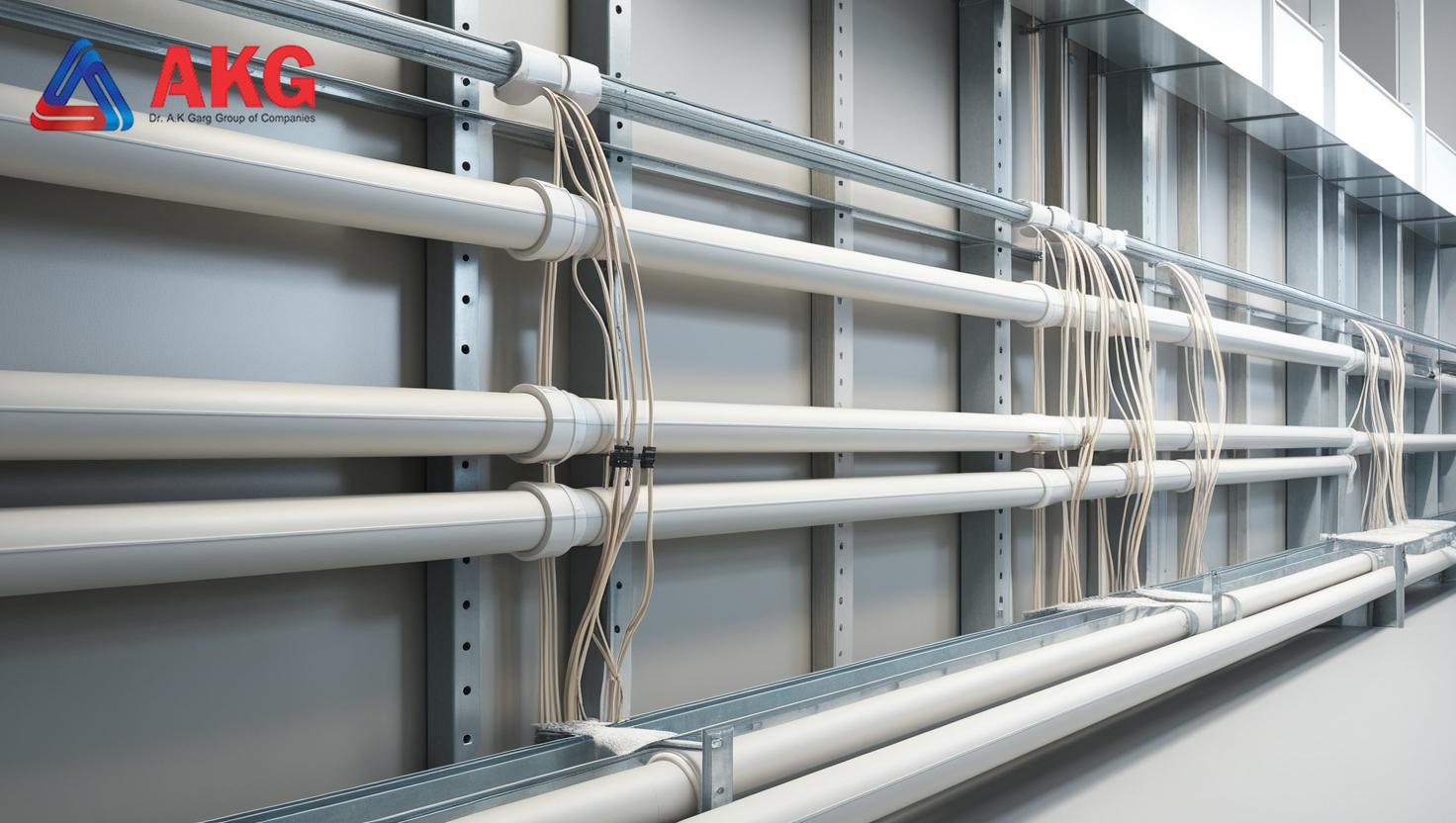
Depending on the type, connections may use solvent cement (PVC/CPVC), crimp fittings (PEX), or heat fusion (PP-R/HDPE).
Securing the Pipes
Use clamps or brackets to hold pipes in place and prevent movement.
Testing the System
Check for leaks and ensure optimal water pressure before completing the installation.
Proper installation following manufacturer guidelines ensures the plumbing system remains efficient and durable.
Why These Pipes Are Perfect for Modern Plumbing Systems
They align perfectly with the needs of modern infrastructure. These pipes offer flexibility for complex layouts, can be adapted for both hot and cold-water systems, and meet high hygiene standards for potable water.
Additionally, with urban spaces requiring faster construction timelines, the quick installation of these systems is a major advantage. Their compatibility with advanced plumbing fixtures and energy-efficient designs makes them a smart choice for future-ready homes and commercial projects.
Common Misconceptions About Plastic Pipes
Despite their popularity, some myths persist about these pipes in plumbing:
- "Pipes are not strong enough." In reality, high-quality PVC, CPVC, and UPVC pipes can withstand high pressure and impact, making them suitable for demanding applications.
- "Pipes are only for cold water." CPVC, PEX, and PP-R pipes are designed to handle hot water safely.
- "Pipes are not environmentally friendly." Many pipes are recyclable, and their long lifespan reduces the frequency of replacements, lowering environmental impact.
- "Pipes are easily damaged." While they can be scratched, they are highly resistant to corrosion, scaling, and most chemical reactions.
Understanding the facts ensures better decision-making when selecting materials for plumbing projects.
Conclusion: The Future of Plumbing with Plastic Pipes
They have proven themselves as a durable, efficient, and cost-effective solution for modern water supply and drainage systems. Their versatility, resistance to corrosion, and ease of installation make them ideal for a wide range of applications, from residential homes to large commercial complexes.
As technology continues to advance, plastic piping systems will likely become even more efficient, eco-friendly, and adaptable to new plumbing challenges. By choosing high-quality pipes and ensuring proper installation, you can enjoy a reliable plumbing system that will serve efficiently for decades.