Plastic Plumbing Fittings in Residential Buildings: A Complete Guide
Plastic Plumbing Fittings: A Complete Guide
Introduction: The Role of Plastic Plumbing Fittings in Modern Buildings
Plastic plumbing fittings are the connecting elements that make any water system functional. Pipes carry water, but fittings join those pipes, change their direction, and help distribute the flow to different points in a building. Over the years, plastic fittings have become the preferred choice in Indian construction because they are lightweight, rust-free, and easy to install.
From small homes to large commercial projects, these fittings are used in almost every plumbing line. They work smoothly with PVC and CPVC pipes and help create joints that remain secure for a long time. For homeowners, plumbers, and first-time buyers, understanding the basics of plastic plumbing fittings makes it easier to plan or repair any water line.
Understanding the Main Types of Plastic Plumbing Fittings
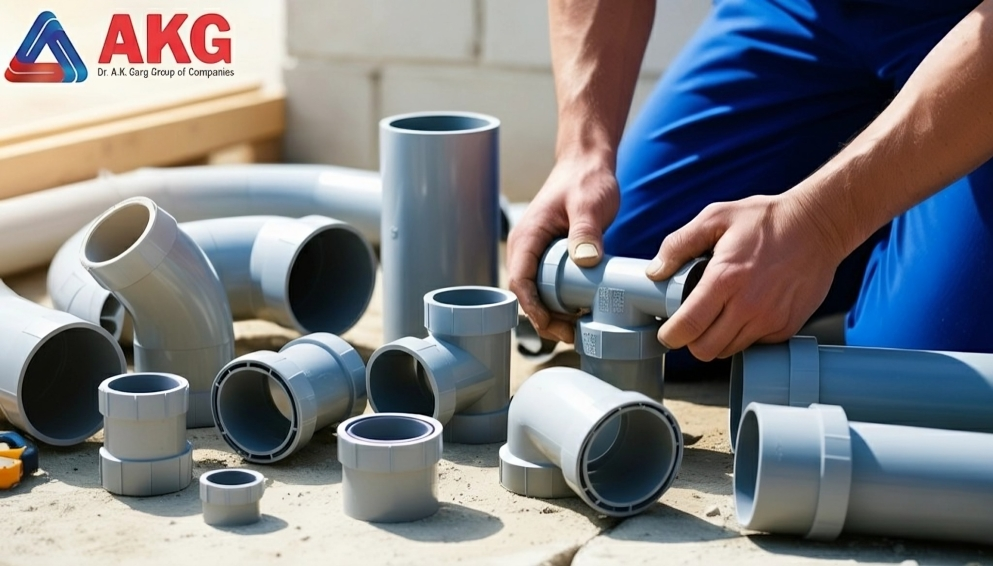
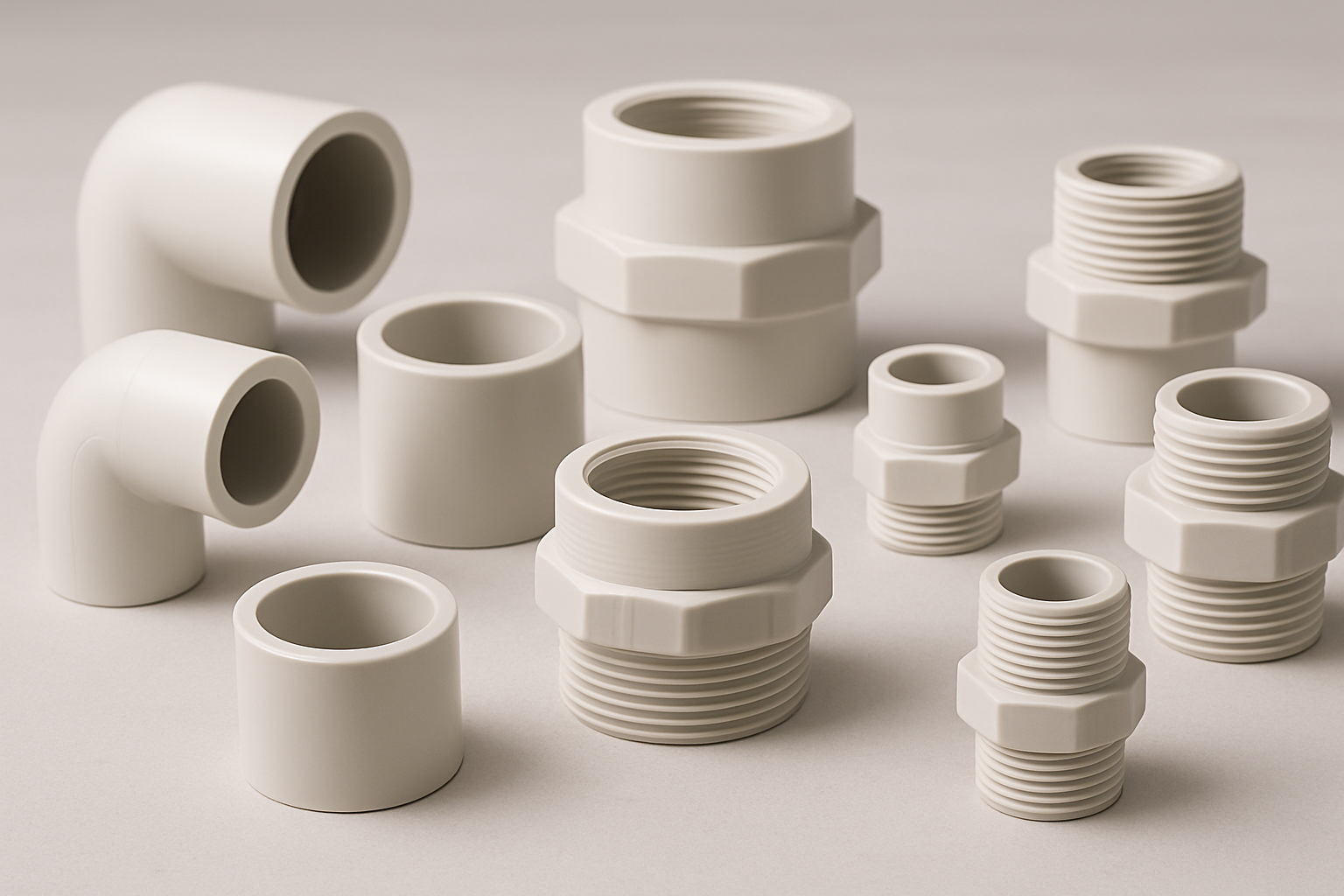
Plastic plumbing fittings come in many shapes, each designed for a specific function. Elbows help turn the pipe in a new direction, tees divide the water into two outlets, and couplers join two pipe pieces together. Reducers connect pipes of different sizes, while adapters are used to attach taps, valves, or accessories.
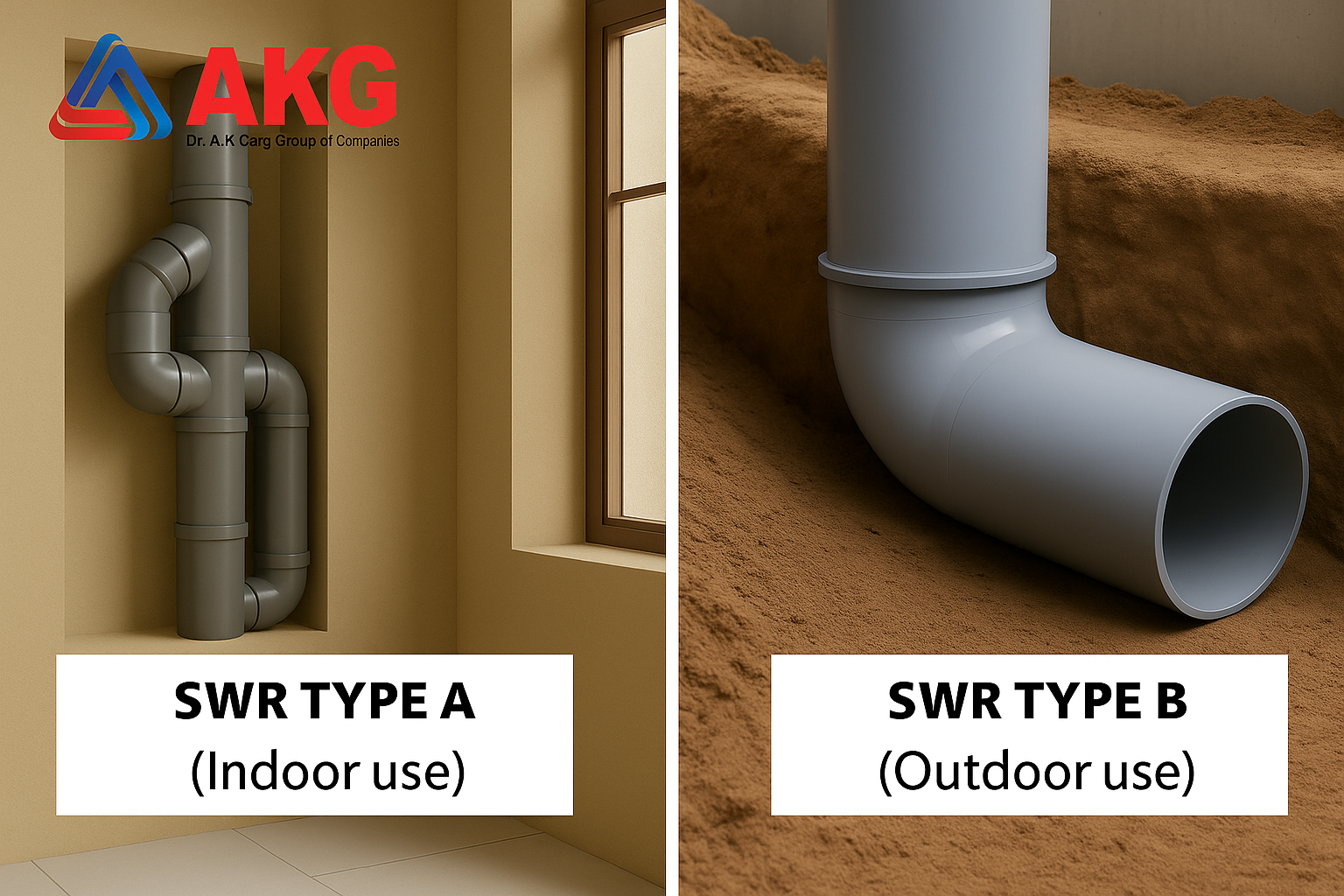
Not all fittings are the same. Some are made for pressure water supply lines, while others are designed for non-pressure drainage use. Knowing this basic difference helps users select the correct fitting and avoid future leakage or weak joints.
Materials Used in Plastic Plumbing Fittings and Their Benefits
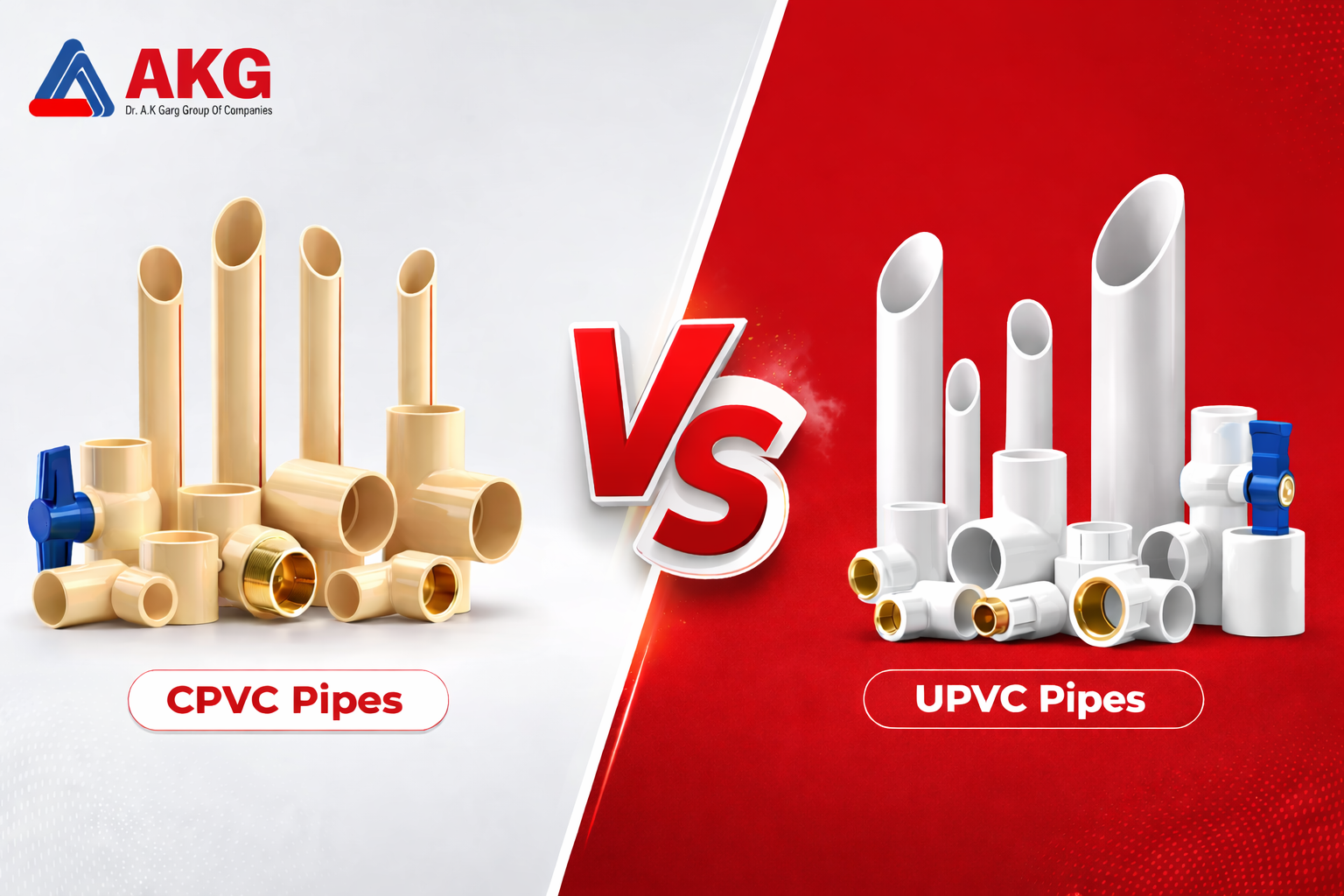
Most plumbing fittings in plastic are manufactured from PVC and CPVC materials. PVC fittings are commonly used for regular cold water lines in homes and buildings. CPVC fittings are suitable for hot water applications where higher temperature resistance is required.
The biggest advantage of plastic material is that it does not rust or react with water. This keeps the water clean and the joints safe. Plastic fittings are also light in weight, which makes handling and installation simple even in tight spaces. Their smooth inner surface supports better water flow and reduces chances of scaling over time.
Where Plastic Plumbing Fittings Are Commonly Used
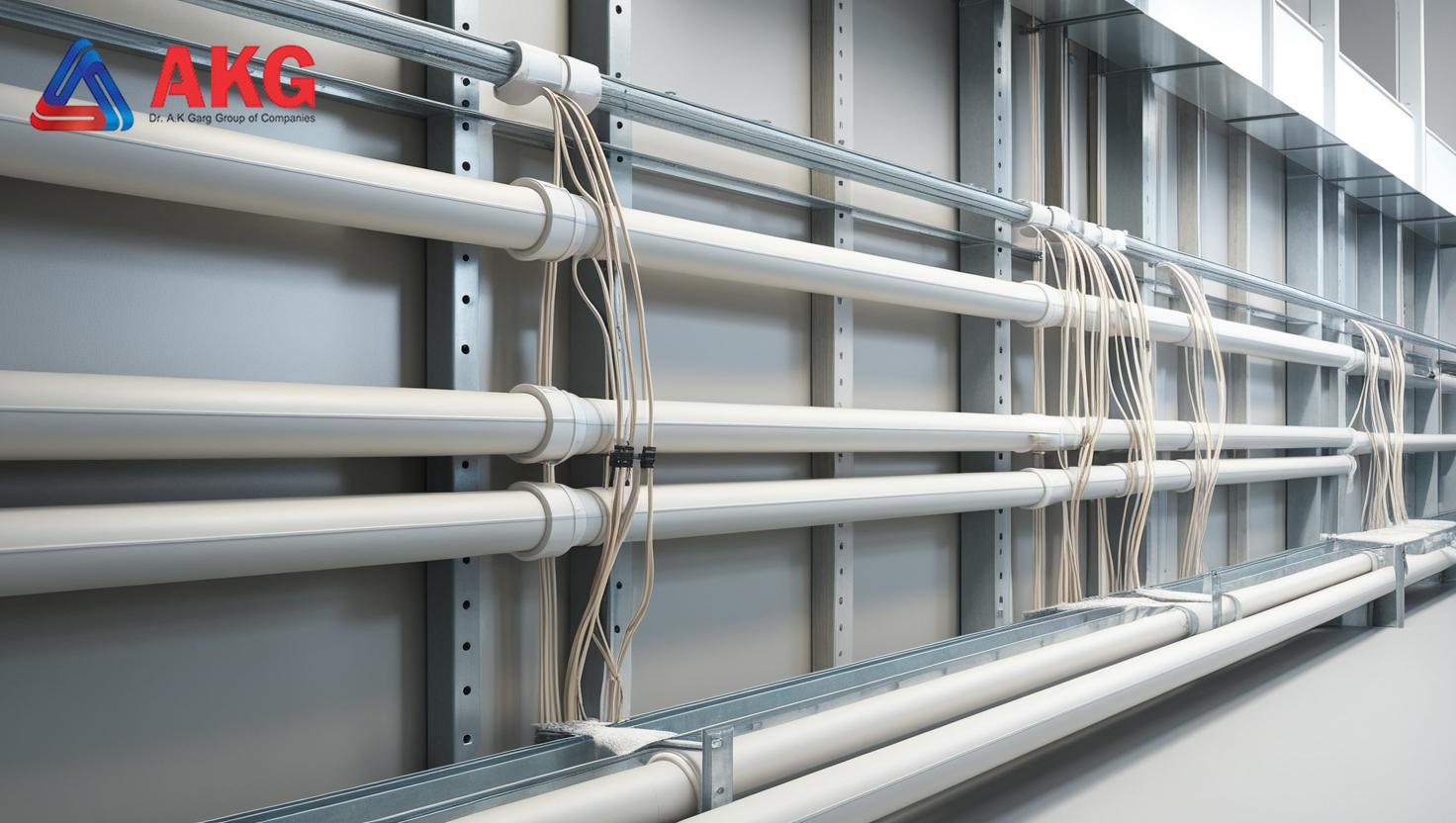
Plastic plumbing fittings are found in nearly every water point inside a building. They connect pipelines in bathrooms, kitchens, washing areas, and overhead tank lines. In offices, hospitals, and schools, these fittings help create large water networks without the risk of corrosion that metal fittings often face.
They are also used in external water connections and work well with underground drainage pipes for safe movement of waste water. For regular supply lines, they are fully compatible with PVC plumbing pipes, which allows a complete system to be built using matching materials from the same family.
Correct Way to Install Plastic Plumbing Fittings
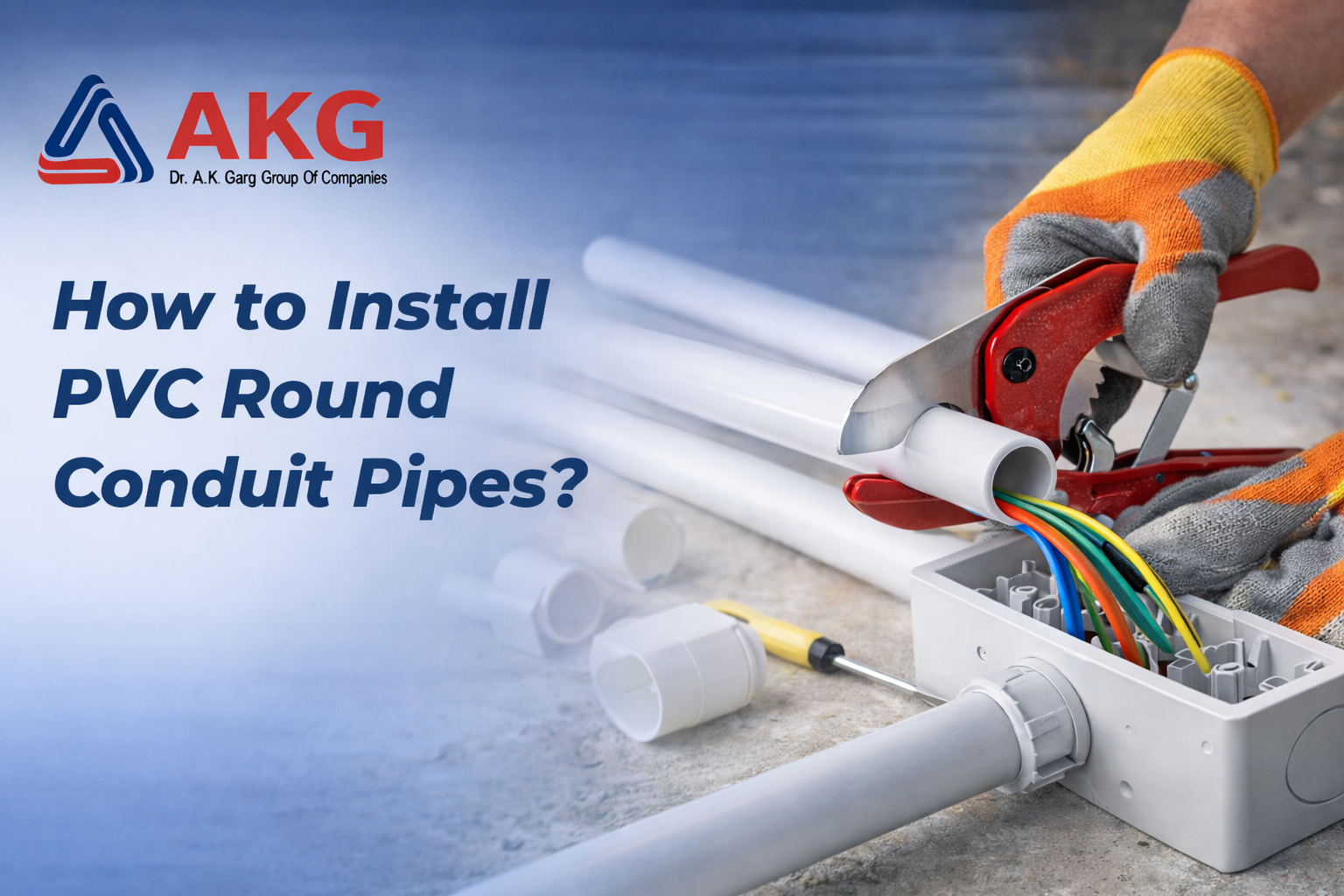
Even the best fitting can fail if it is not installed correctly. The pipe end should always be cut straight and cleaned before joining. A thin layer of solvent cement needs to be applied evenly, and the fitting must be pushed in fully to create a strong bond.
Alignment of the joint is very important. A half-inserted or twisted fitting may start leaking after some time. Allowing proper curing time before starting the water supply helps the joint gain full strength. These simple practices, especially when used with PVC plumbing pipes, ensure long and trouble-free service.
Common Installation Mistakes That Cause Leaks
Many plumbing problems begin with small mistakes during installation. Using the wrong type of fitting for a particular pipe, applying too much solvent cement, or joining dirty surfaces can weaken the connection. Cutting pipes unevenly or forcing a misaligned joint also creates stress points.
Another frequent error is confusing pressure fittings with non-pressure ones. Each fitting is designed for a specific purpose, and mixing them can reduce performance. Avoiding these basic mistakes saves time, money, and repeated repair work.
Final Guidance on Choosing Quality Plastic Plumbing Fittings
Choosing plastic plumbing fittings should always depend on the application and the pipe material in use. Cold water lines, hot water systems, and external connections require different types of fittings. Correct size, proper material grade, and good finish are simple indicators of quality.
Products from reliable manufacturers provide better fitment and consistent dimensions, which directly improves joint strength. When fittings are selected carefully and installed in the right manner, they help create a safe, leak-free plumbing system for homes and commercial buildings. For projects that also include drainage networks, related products such as SWR pipes and fittings can be considered separately, while the main water supply remains aligned with the appropriate plumbing fittings and compatible PVC plumbing pipes.