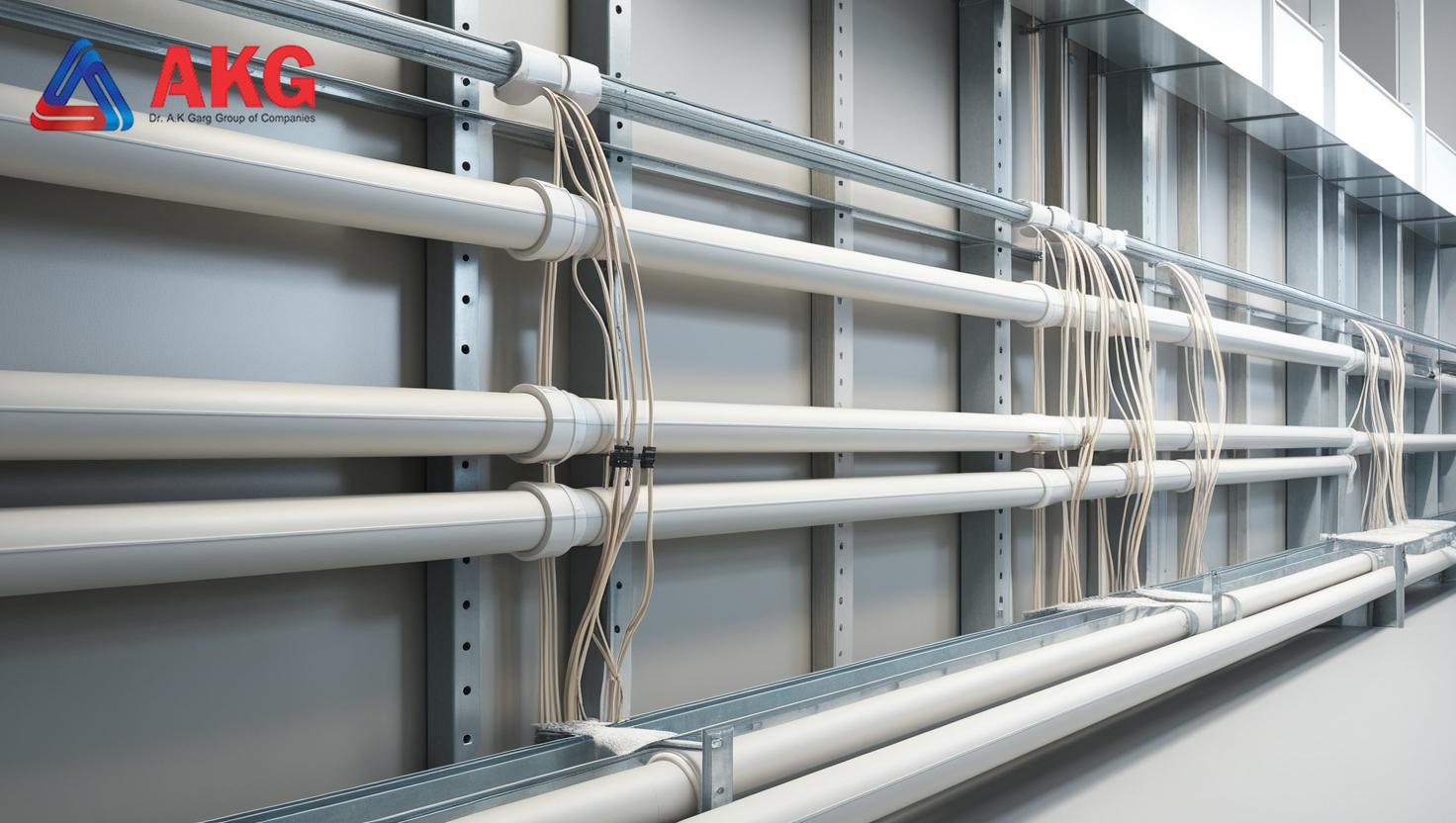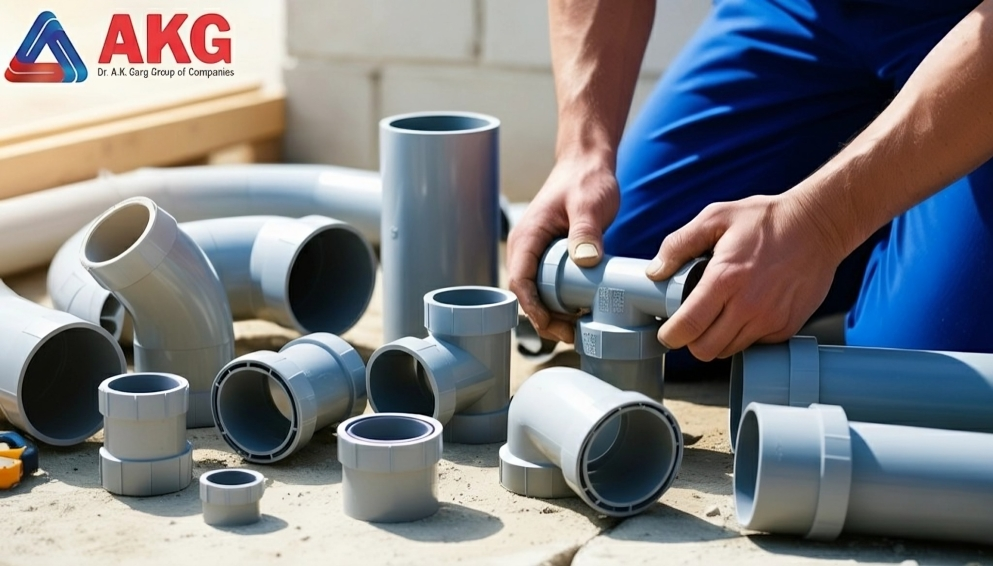
What Is a Drainage Pipe and Why UPVC Drainage Pipes Are Used in Homes and Buildings
Understanding what is drainage pipe and how it functions is essential for anyone involved in home construction, renovation, or building maintenance. Drainage systems play a silent but critical role by safely carrying wastewater away from living spaces and protecting structures from moisture-related damage. The choice of drainage material directly impacts system performance, longevity, and ease of maintenance.
In modern residential and commercial construction, UPVC drainage pipes have become a widely preferred option due to their functional and structural advantages. This article explains what is drainage pipe, its role in underground systems, and why UPVC drainage solutions are commonly used in homes and buildings.
The Underground Pipes That Protect Every Home
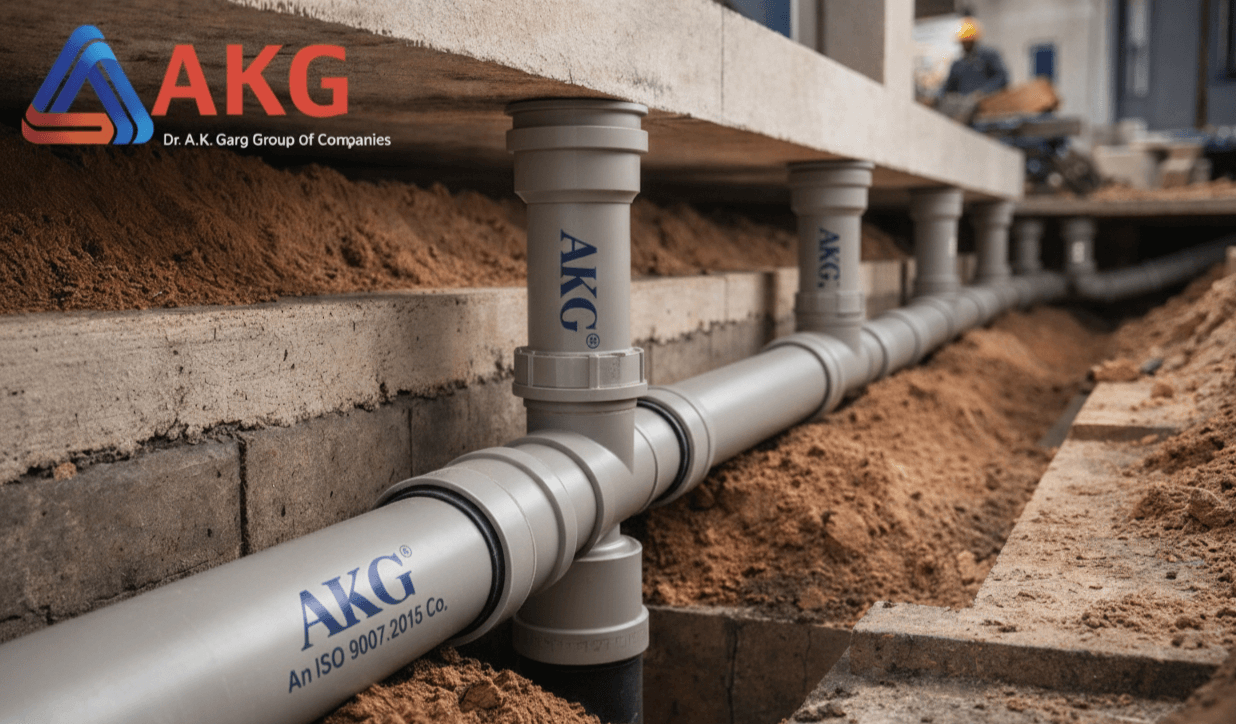
To clearly understand what a drainage pipe, it is important to look beneath the surface of a building. Drainage pipes are a part of underground pipes that transport wastewater from bathrooms, kitchens, and utility areas to external sewer lines or drainage systems. This underground pipework prevents water accumulation around foundations, which can otherwise lead to seepage, dampness, and long-term structural issues.
An underground drainage pipe is designed to handle continuous water flow, varying waste loads, and external soil pressure. Unlike visible plumbing lines, underground pipework must perform reliably for years without frequent access or maintenance. This is why material selection plays a key role in underground drainage systems.
Drainage pipes installed below ground are also responsible for maintaining hygiene by preventing backflow and ensuring smooth wastewater movement. Understanding what is drainage pipe at this level highlights its importance in maintaining both structural safety and sanitary conditions within a property.
Why UPVC Drainage Pipes Are Used in Homes and Buildings
When evaluating what is drainage pipe, the material used becomes a major consideration. UPVC drainage pipe systems are commonly used in homes and buildings because they offer a balance of strength, durability, and resistance to environmental factors.
UPVC is non-corrosive, meaning it does not react with wastewater, soil chemicals, or moisture. This makes an UPVC underground drainage pipe suitable for long-term underground use where exposure to damp conditions is constant. Unlike traditional materials, UPVC does not rust, scale, or degrade easily over time.
Another reason UPVC drainage pipes are widely used is their lightweight nature. This makes handling and installation easier without compromising structural integrity. Additionally, the smooth inner surface of an UPVC drainage pipe helps maintain consistent water flow, reducing the chances of blockages caused by waste buildup.
For residential and commercial buildings alike, understanding what is drainage pipe also involves recognizing the importance of leak-proof joints. UPVC drainage systems are designed with precise fittings that support secure connections, helping maintain system efficiency across extended underground pipework networks.
How Installation of UPVC Drainage Pipes Works
Knowing what is drainage pipe is incomplete without understanding how it is installed. The installation of UPVC drainage pipes follows a systematic process to ensure proper alignment, slope, and long-term performance.
The process begins with careful planning of underground pipes based on building layout and wastewater discharge points. Trenches are prepared at the required depth to accommodate the underground drainage pipe while ensuring adequate slope for gravity-assisted flow.
Once positioned, the UPVC underground drainage pipe is laid over a stable base to prevent movement or stress. Proper jointing methods are used to connect sections, ensuring leak resistance throughout the underground pipework. During installation, alignment checks are essential to avoid future flow issues.
Backfilling is carried out carefully to protect the drainage pipe from external pressure or displacement. When done correctly, the installation supports consistent performance and minimizes the need for repairs. Understanding what is drainage pipe at the installation stage highlights how correct execution directly affects system reliability.
Final Thoughts for Homeowners and Builders
For homeowners and builders, understanding what is drainage pipe goes beyond basic plumbing knowledge. Drainage systems form the backbone of wastewater management, protecting buildings from moisture damage, hygiene risks, and structural deterioration.
Selecting the right drainage pipe material, planning underground pipework carefully, and ensuring correct installation all contribute to long-term performance. UPVC drainage solutions are commonly chosen because they meet these functional needs while supporting efficient underground drainage systems.
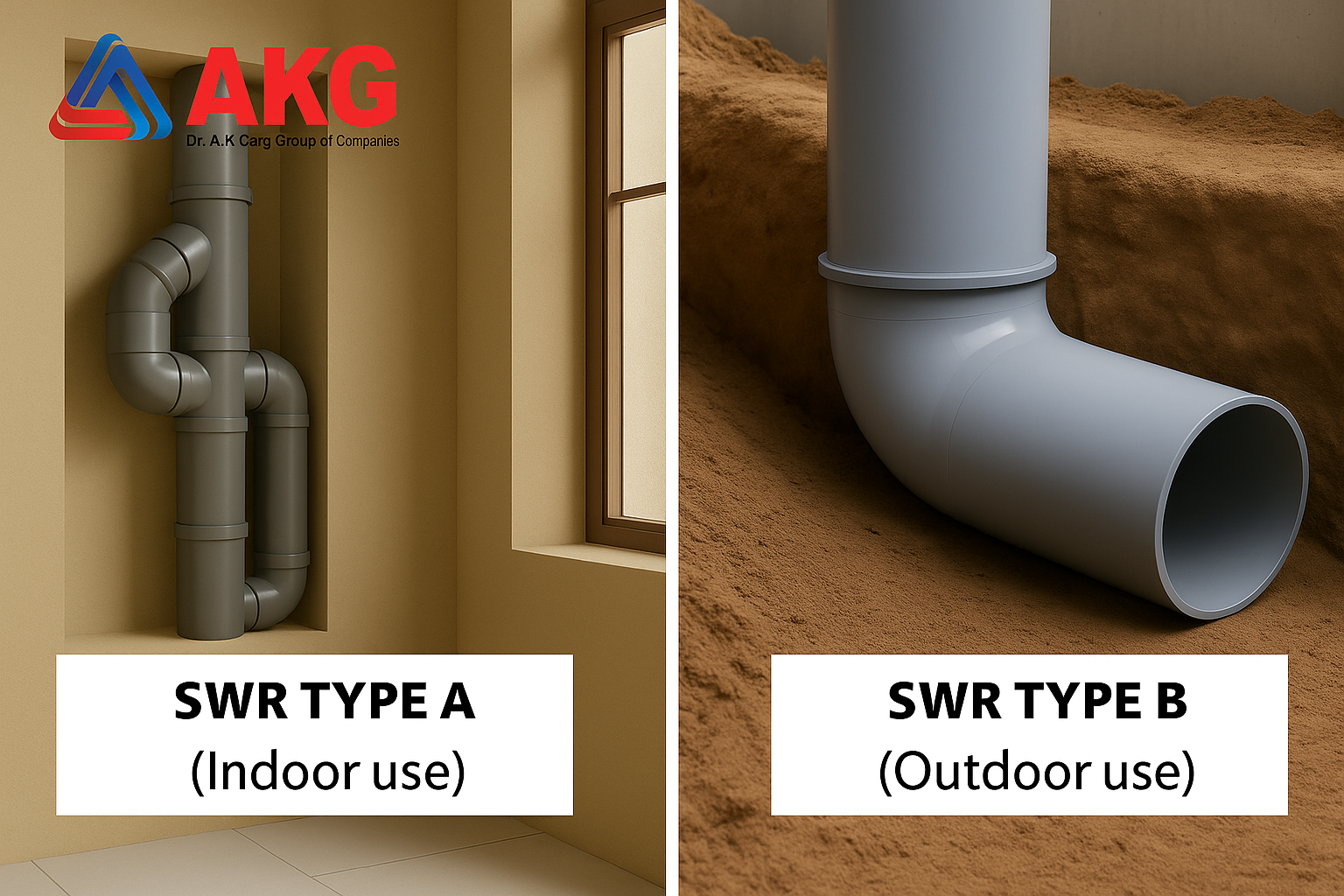
When planning or upgrading drainage infrastructure, it is equally important to understand how different system components work together. Exploring quality drainage pipes alongside compatible SWR pipes and fittings helps ensure a complete, well-integrated drainage network suitable for both residential and commercial applications.