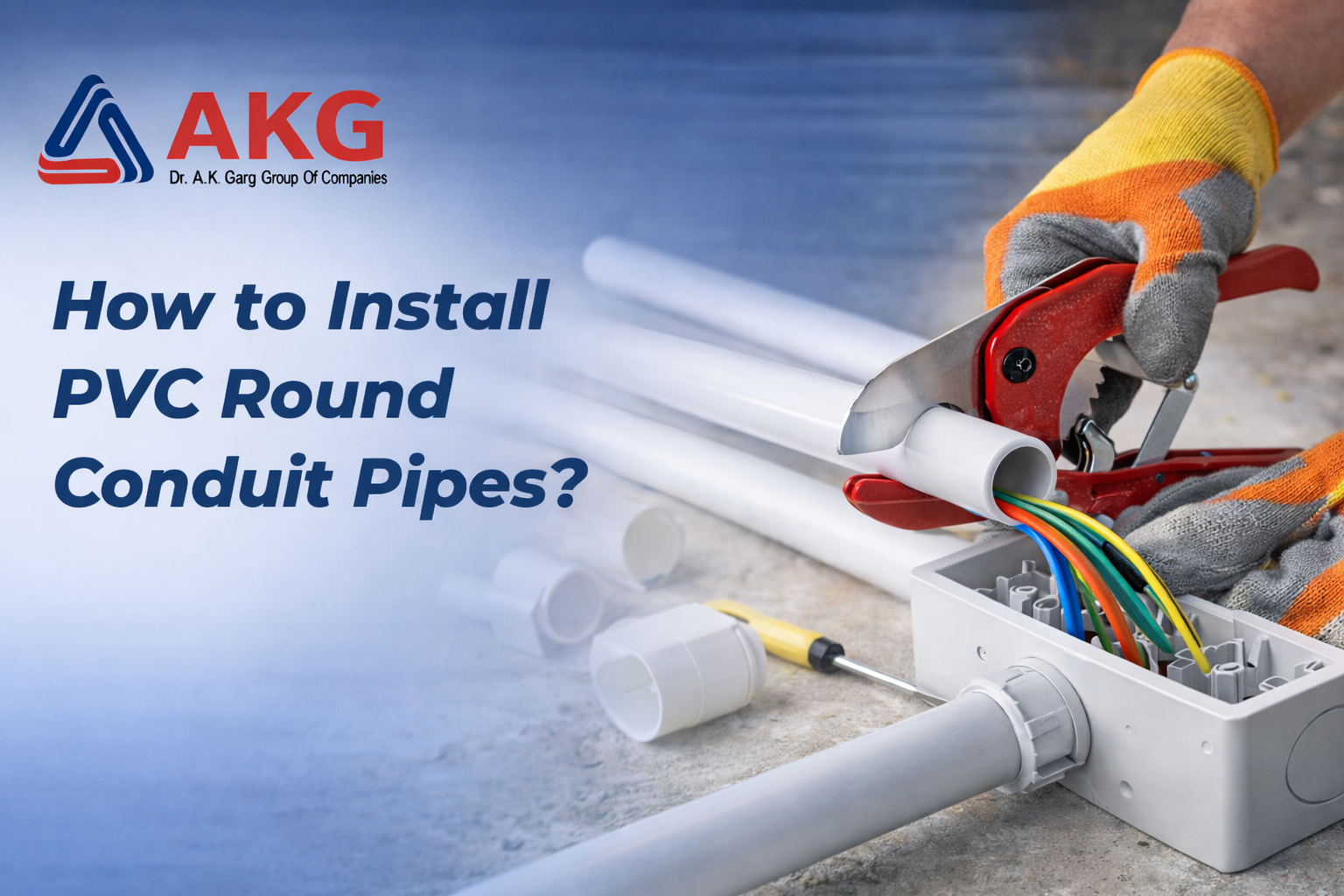
How to Install PVC Round Conduit Pipes in 5 Simple Steps
Introduction: Why correct PVC round conduit installation matters
A well-planned electrical wiring system depends heavily on how Conduit Pipes are installed. PVC round conduits are designed to protect electrical wires, keep installations organised, and support long-term safety. Following a proper pvc conduit installation guide helps prevent wire damage, simplifies future maintenance, and ensures a clean finish for both residential and commercial wiring projects.
Incorrect conduit installation can lead to misaligned wiring, unnecessary bends, or difficulty during wire pulling. This guide explains a clear and practical conduit installation process using Conduit Pipes in five simple steps.
Tools and materials required before starting the installation
Before beginning the conduit installation process, it is important to gather all essential tools and materials. This ensures smooth execution without interruptions.
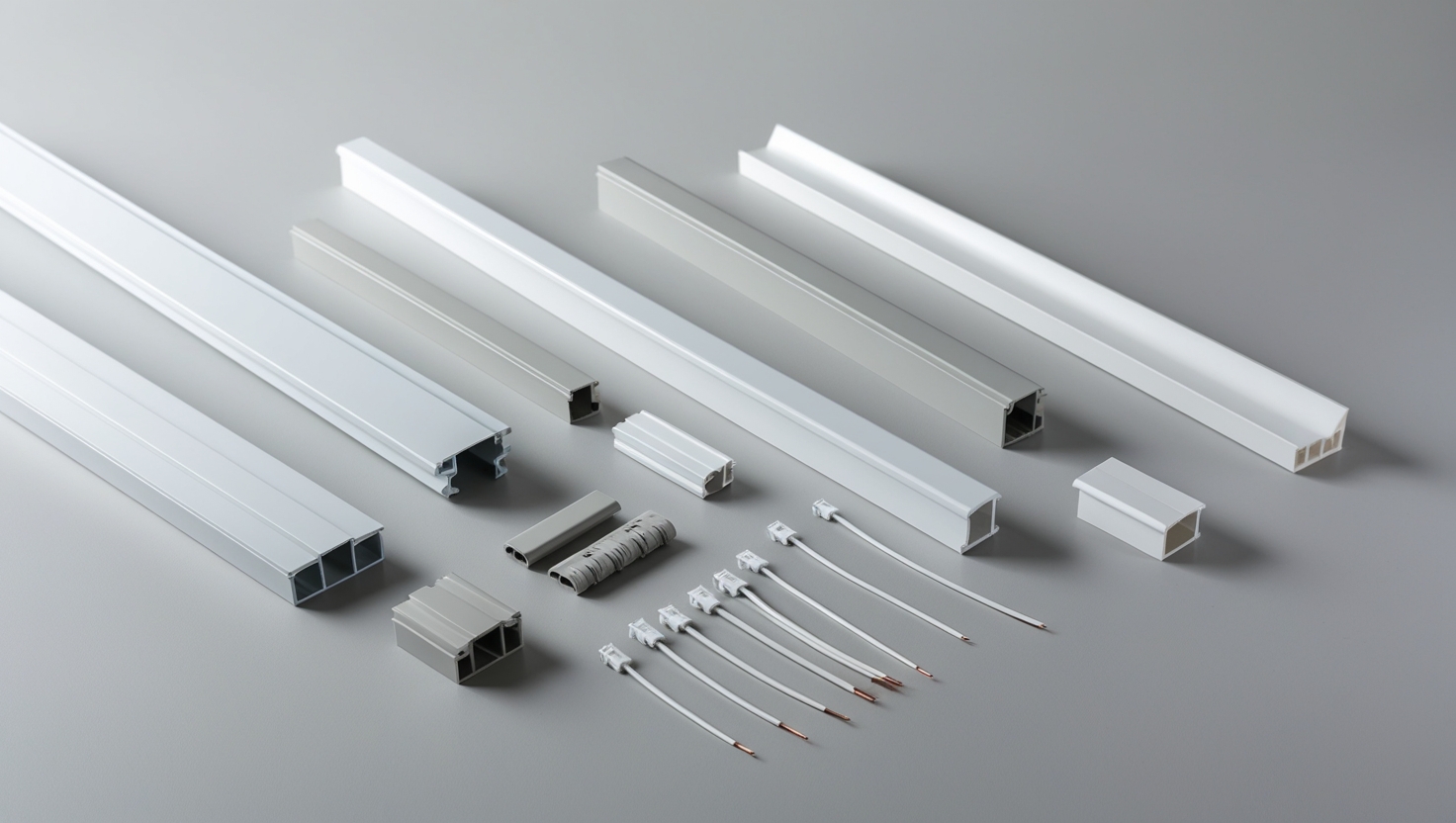
Commonly required items include PVC round Conduit Pipes, conduit fittings, measuring tape, marker or chalk for marking routes, cutting tools suitable for PVC, clamps or saddles for fixing conduits, and basic hand tools. Using appropriate Conduit Pipes designed for electrical applications helps maintain system integrity and neat routing. Preparing everything in advance supports an efficient pvc conduit installation guide and avoids rushed decisions during execution.
Step 1: Planning the conduit route and marking wiring paths
The first step in conduit installation is careful planning. Identify the wiring layout and decide whether the Conduit Pipes will be surface-mounted or concealed within walls or slabs. Mark the conduit routes clearly using a marker or chalk to avoid unnecessary bends and overlaps.
Proper planning ensures that Conduit Pipes follow straight, logical paths, reducing stress on wires and simplifying future access. This stage plays a critical role in any pvc conduit installation guide, as poor route planning can affect both appearance and functionality.
Step 2: Measuring and cutting PVC round conduit pipes accurately
Accurate measurement is essential when working with Conduit Pipes. Measure each section carefully before cutting to avoid wastage or uneven joints. Use appropriate cutting tools to ensure clean and straight cuts.
Rough or uneven edges can affect alignment and make conduit installation difficult during jointing. After cutting, check that each piece fits properly along the marked route. Precision at this stage improves overall conduit installation quality and reduces adjustments later in the process.
Step 3: Fixing and aligning conduits for surface or concealed wiring
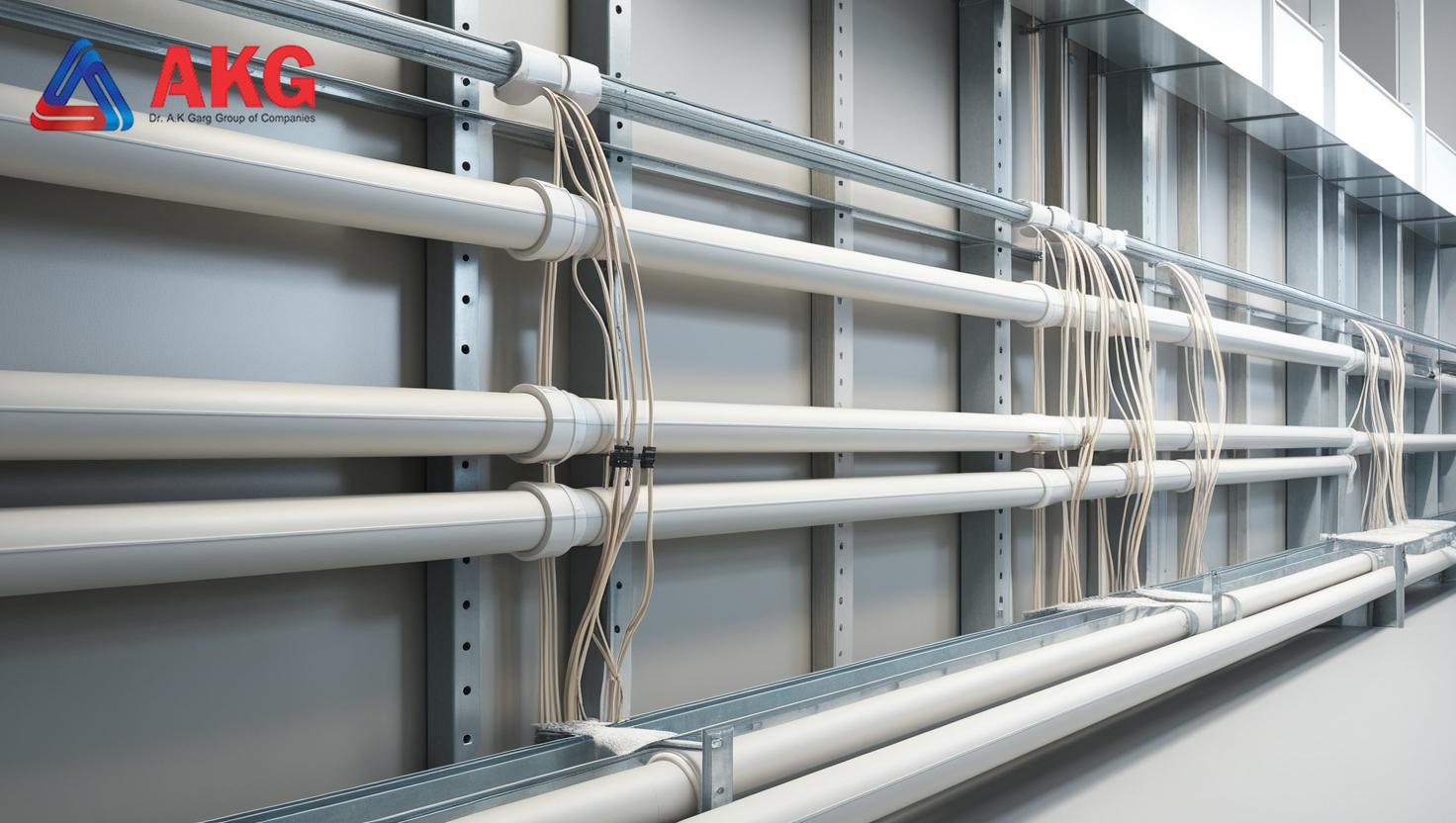
Once measured and cut, the Conduit Pipes should be fixed securely along the planned route. For surface wiring, use clamps or saddles at regular intervals to hold the conduit firmly in place. For concealed installations, ensure conduits are aligned properly before wall finishing.
Maintaining uniform spacing and alignment is essential for a neat appearance and effective conduit installation. Well-aligned Conduit Pipes also make wire pulling easier and reduce pressure points within the system. This step is a core part of any reliable pvc conduit installation guide.
Step 4: Joining conduits using fittings and ensuring proper alignment
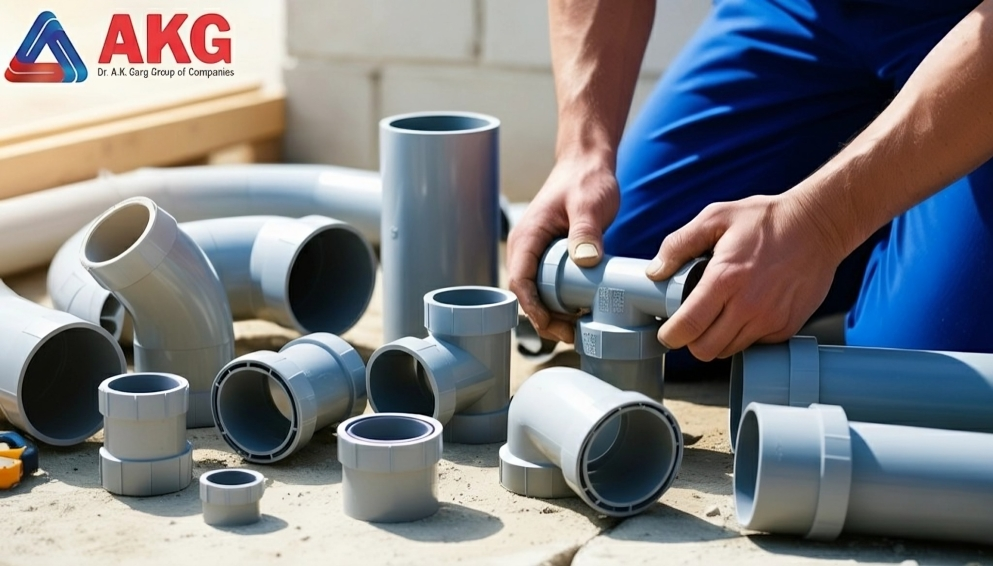
Joining Conduit Pipes correctly is crucial for a stable installation. Use compatible fittings to connect straight sections, bends, or junction points. Ensure that joints are aligned smoothly without gaps or forced connections.
Properly joined Conduit Pipes maintain continuity throughout the wiring system and help protect cables from external damage. Alignment at joints also ensures that wires pass through smoothly without snagging, which is a key requirement in effective conduit installation practices.
Step 5: Pulling electrical wires and securing the conduit system
After the Conduit Pipes are fully fixed and joined, electrical wires can be pulled through the system. This should be done carefully to avoid damaging insulation or overstressing cables.
A correctly executed pvc conduit installation guide ensures that wires move freely within the conduit network. Once wiring is complete, recheck the entire conduit installation to confirm that all sections are firmly secured and properly positioned.
Basic checks to ensure a neat and organised conduit installation
After completing the installation, it is important to conduct basic checks. Ensure that all Conduit Pipes are straight, joints are secure, and no sharp bends are present. Verify that conduits are firmly fixed and that wiring moves smoothly inside the system.
Many installation issues arise from avoidable errors during routing and fixing. Reviewing common electrical wiring mistakes related to conduit usage can help ensure that the installation meets safety and organisation standards. These checks strengthen the reliability of the conduit installation and improve long-term performance.
Conclusion: Key takeaways for a smooth PVC conduit installation process
A successful conduit installation depends on proper planning, accurate measurement, secure fixing, and careful wire handling. Following a structured pvc conduit installation guide helps achieve a clean and durable electrical wiring system.
Using quality Conduit Pipes and maintaining correct alignment throughout the process reduces future maintenance challenges and supports safe electrical performance. For dependable electrical applications, selecting the right PVC round conduit pipes plays a vital role in achieving a reliable and organised installation that meets project requirements.
Frequently Asked Questions About PVC Round Conduit Pipes Installation
1. At what stage should PVC round conduit pipes be installed during electrical work?
PVC round conduit pipes should be installed before wall plastering or surface finishing. Early installation allows proper alignment, secure fixing, and smooth wire routing without disturbing finished surfaces later.
2. Why is it important to fix PVC conduit pipes at regular intervals?
Fixing conduit pipes at regular intervals helps maintain straight routing and prevents movement after wiring. Proper support ensures long-term stability and reduces stress on wires inside the conduit system.
3. How does improper conduit alignment affect electrical wiring?
Poorly aligned conduit pipes can create sharp bends and stress points. This may make wire pulling difficult and complicate future maintenance or cable replacement.
4. What checks should be done before pulling wires through installed conduits?
Before pulling wires, ensure all conduit joints are secure, properly aligned, and free from sharp edges. These checks help prevent damage to wire insulation and ensure smooth cable movement.