6 Common Electrical Wiring Mistakes and Tips to Avoid Them
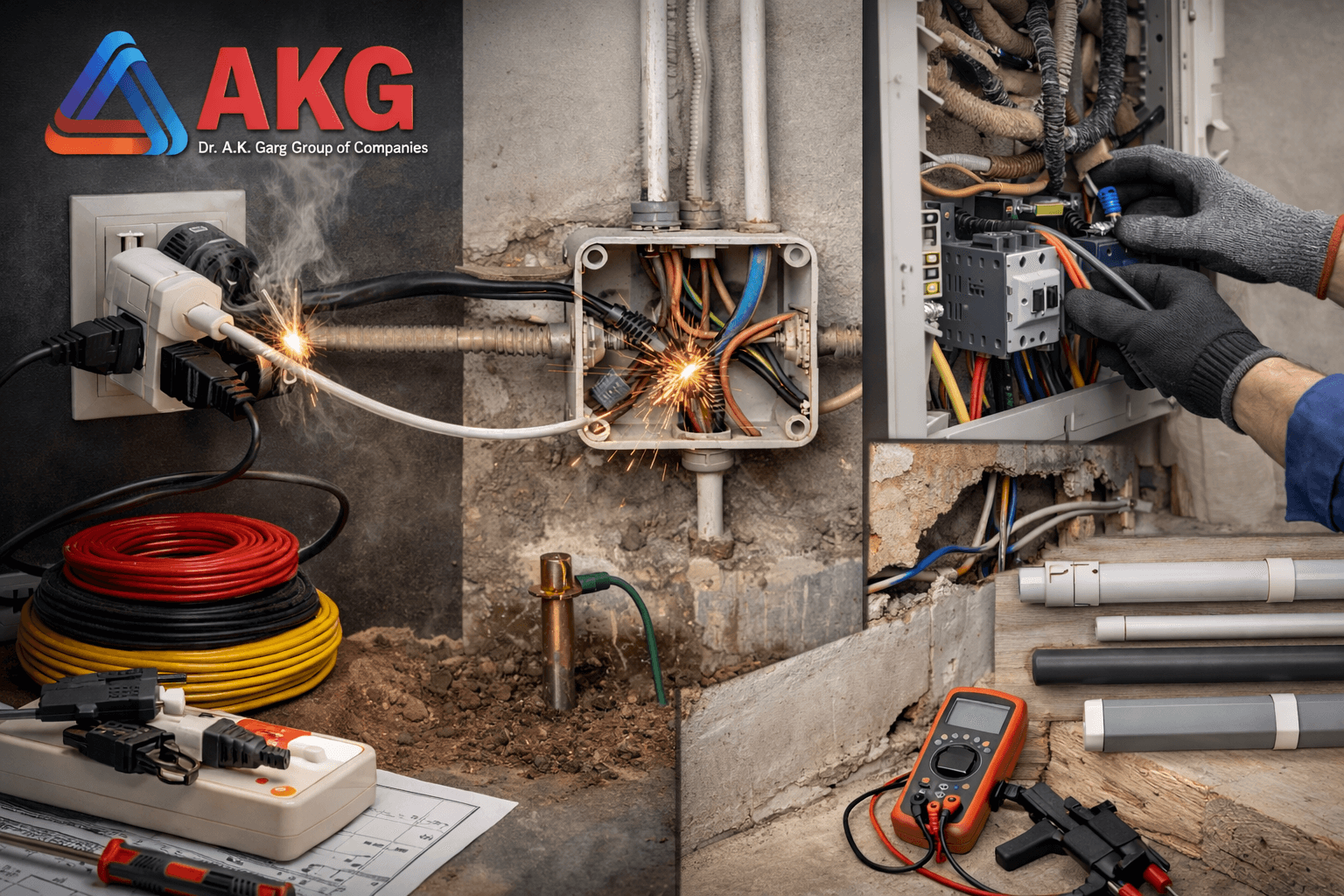
Electrical systems are the backbone of every modern home, yet wiring mistakes continue to be one of the leading causes of electrical hazards. Poor installation, incorrect material usage, or lack of regular inspection can quietly create risks that surface only when damage has already occurred. Understanding common wiring errors and following proven electrical wiring safety tips is essential to protect both property and people.
This guide breaks down the most frequent electrical wiring mistakes and explains how practical safety measures can help you avoid them.
The Hidden Dangers of Faulty Electrical Wiring
Faulty electrical wiring does not always show immediate warning signs. Loose connections, overloaded circuits, or incorrect insulation can remain unnoticed for years. Over time, these issues may result in overheating, electric shocks, short circuits, or even fires.
Many wiring problems arise during construction or renovation phases, where shortcuts are taken or unsuitable materials are used. Without proper electrical wiring safety tips in place, these hidden dangers can compromise the overall safety of a building. Awareness and preventive planning are the first steps toward long-term electrical reliability.
6 Most Common Electrical Wiring Mistakes
1. Overloading Electrical Circuits
Connecting too many appliances to a single circuit is a common mistake. This leads to overheating, frequent tripping, and long-term damage to wires and fixtures.
2. Using Incorrect Wire Size
Different electrical loads require specific wire thickness. Using undersized wires increases resistance and heat buildup, raising the risk of insulation failure.
3. Loose or Improper Connections
Loose terminals and poorly secured joints cause arcing, which generates heat and accelerates wire deterioration. These issues are often hidden behind walls.
4. Absence of Proper Earthing
Grounding is a critical safety feature. Without proper earthing, excess current has nowhere to discharge safely, increasing shock hazards.
5. Mixing Old and New Wiring Systems
Combining outdated wiring with newer systems without compatibility checks can stress circuits and reduce overall safety.
6. Ignoring Protective Conduits
Wires left exposed or inadequately protected are vulnerable to moisture, dust, and physical damage. Using appropriate protective systems is a basic yet often overlooked step.
Each of these mistakes can be avoided by applying the right electrical wiring safety tips during installation and maintenance.
Essential Electrical Wiring Safety Tips to Avoid Mistakes
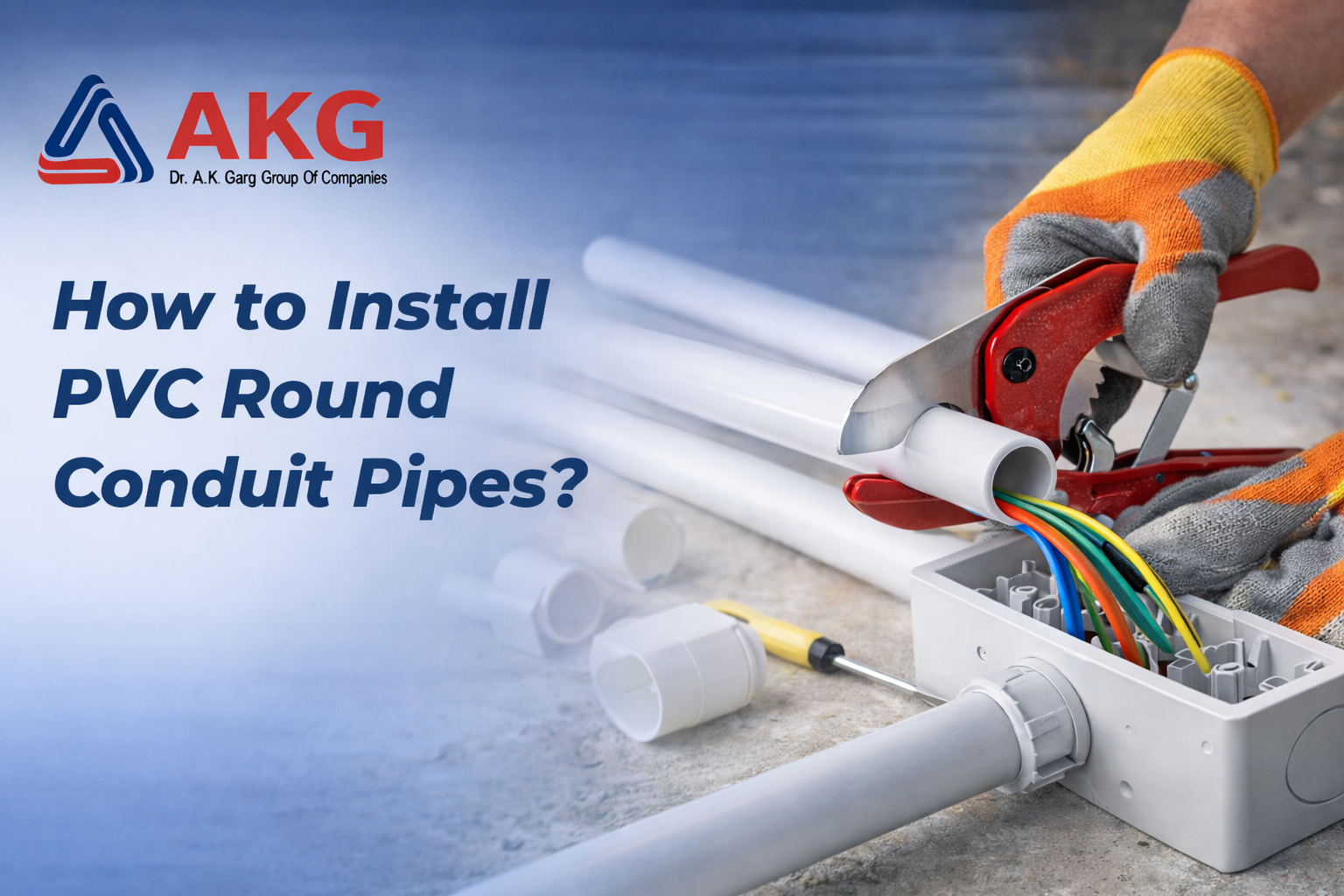
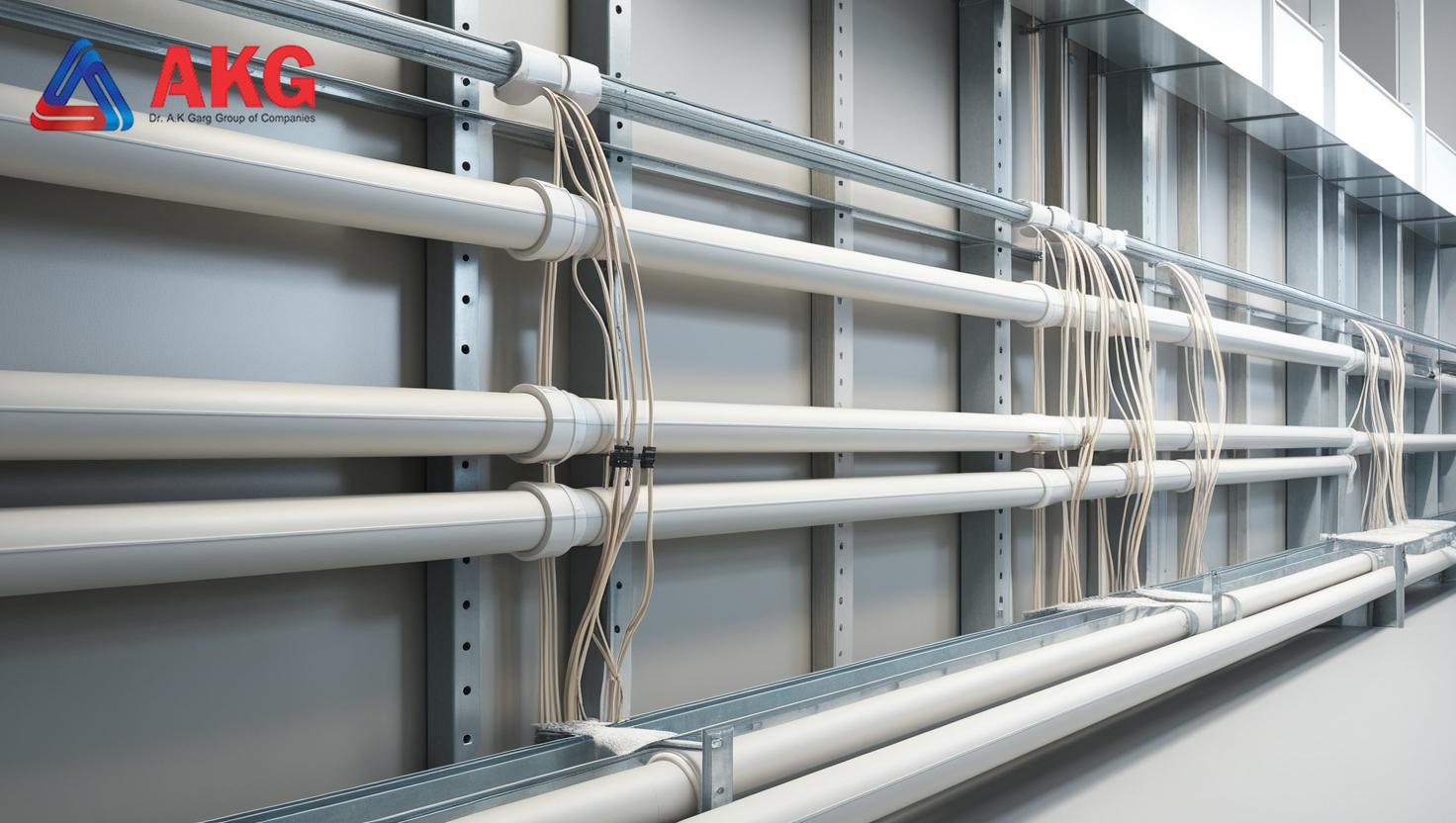
One of the most effective electrical wiring safety tips is selecting the right protection method for wiring based on its location. For concealed or internal wiring, a PVC conduit pipe provides insulation, mechanical protection, and long-term durability. It helps shield wires from moisture, impact, and environmental wear inside walls or ceilings.
For visible or surface wiring, PVC casing and capping systems are commonly used. They help organize cables neatly while reducing accidental contact and physical damage. This method is especially useful in residential spaces where rewiring concealed lines is not feasible.
Another key safety practice is ensuring that wiring components, accessories, and installation methods follow established electrical standards. Proper load calculations, correct color coding, and secure terminations all play a role in preventing failures. These electrical wiring safety tips significantly reduce the chances of overheating and electrical faults.
How to Regularly Inspect Your Electrical Wiring
Regular inspection is often underestimated but remains one of the most practical electrical wiring safety tips. Visual checks can reveal warning signs such as cracked insulation, discoloration around switches, or unusual smells near electrical points.
Homeowners should also monitor frequent circuit breaker trips or flickering lights, as these indicate underlying wiring issues. Periodic professional inspections help identify hidden faults within walls or distribution boards before they escalate into hazards.
To ensure you are starting with the right materials and wiring practices, it is helpful to understand different conductor types and their applications. Referring to a detailed guide onwires and cables types and safety can provide clarity on choosing suitable conductors for residential electrical systems.
Practical Tips to Prevent Electrical Hazards at Home
Preventing electrical hazards requires a combination of awareness, quality materials, and disciplined maintenance. Avoid using damaged cords or makeshift extensions, and never attempt wiring modifications without proper knowledge.
Labeling circuits correctly in the distribution board, maintaining dry conditions around electrical points, and upgrading aging wiring systems are all part of responsible electrical care. These measures, combined with consistent electrical wiring safety tips, help create a safer living environment.
It is equally important to educate household members about safe electrical usage. Simple habits like unplugging unused appliances and avoiding overloaded sockets go a long way in reducing risk.