What Are FRLS Cables and the Key Advantages for Safer Electrical Systems
Introduction to FRLS Cables in Electrical Wiring
Electrical safety in modern buildings goes beyond correct installation and circuit protection. The type of cable used inside walls and conduit systems plays a direct role in how a building responds during a fire. This is where FRLS cables have become a critical specification across residential complexes, hospitals, hotels, and commercial buildings in India.
Understanding what is an FRLS cable and why it is built differently from standard wiring helps builders, contractors, and building owners make informed decisions when selecting wiring for enclosed spaces, high-occupancy buildings, and any environment where fire safety is a key design consideration.
What Is an FRLS Cable and How It Is Designed for Fire Safety
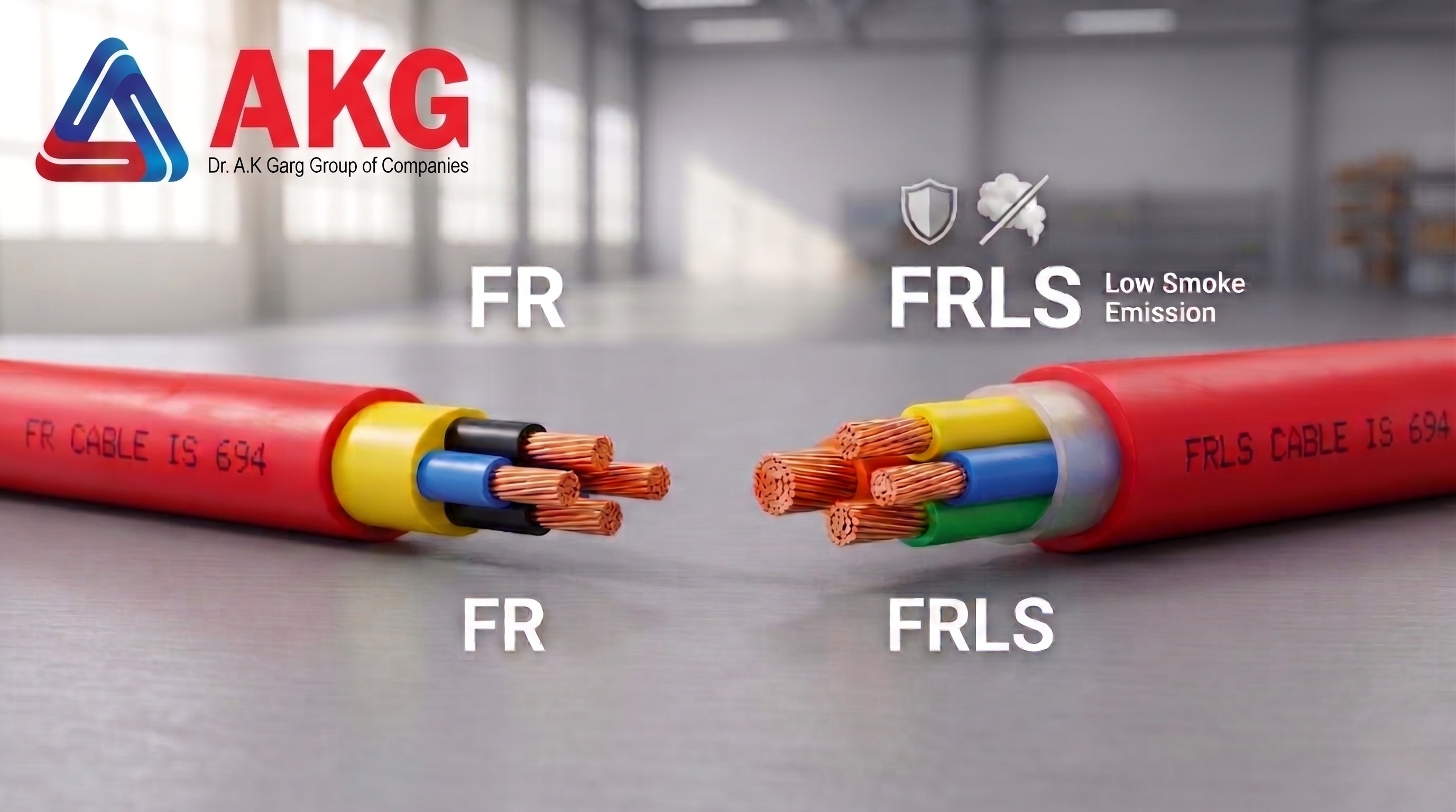
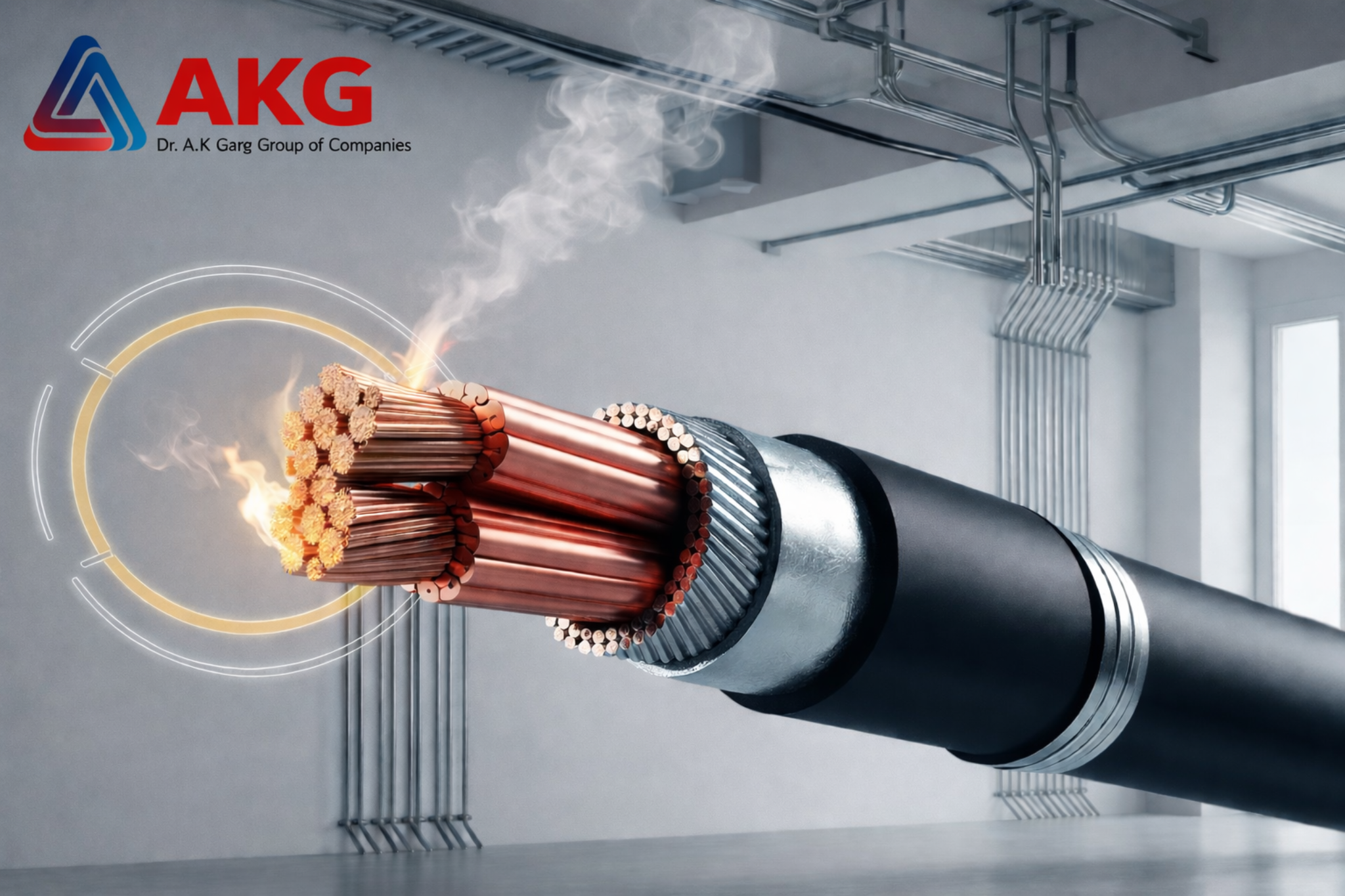
The FRLS cable full form is Fire Retardant Low Smoke. An FRLS cable uses a specially formulated insulation compound that serves two purposes during a fire. It retards the spread of flames along the cable, and it significantly reduces the smoke and toxic gases released when the insulation is exposed to heat.
Standard PVC cables, when exposed to fire, emit dense black smoke and acidic fumes that severely reduce visibility and make evacuation difficult. FRLS cables are engineered to address this directly. Their insulation is tested and certified against Indian Standards to confirm resistance to ignition, lower smoke output, and reduced toxic gas release compared to conventional wiring.
Key Advantages of FRLS Cables in Electrical Systems
The advantages of FRLS cables are directly tied to how their insulation behaves under fire conditions. The insulation resists the spread of fire along the cable, preventing flames from travelling through wiring channels inside walls and ceilings. It produces far less smoke than standard PVC cables during a fire, keeping evacuation routes clearer for longer. It also releases significantly lower levels of toxic gases, reducing health risk to building occupants and limiting corrosive damage to electrical equipment. Additionally, the insulation holds its structure at higher temperatures for longer, giving more time for safe evacuation and firefighting response.
AKG FRLS cables carry IS 694 marking, confirming they meet the applicable Indian Standard for fire retardant low smoke wiring. They are available across a range of conductor sizes, making them suitable for lighting circuits as well as heavier power load requirements inside buildings.
Why FRLS Cables Are Considered Safer for Modern Buildings
In a fire inside a building, smoke and toxic gas inhalation causes a significant proportion of casualties, often more than direct flame exposure. Cables running through walls, ceilings, and conduit systems can act as channels through which fire and smoke travel between floors if the wiring material supports combustion. FRLS cables interrupt this by slowing flame spread along the cable, producing less smoke near the fire origin, and releasing lower concentrations of toxic gases in evacuation routes.
This makes FRLS cables particularly important in multi-storied residential buildings, hospitals, hotels with high occupancy, schools, and commercial complexes. In all these environments, selecting the right cable specification from the start is a practical safety decision that directly contributes to better occupant safety outcomes during a fire event.
Understanding the Role of FRLS Cables in Fire-Sensitive Environments
FRLS cables are suited for any environment where wiring runs through enclosed routes and safe evacuation time is a priority. Based on verified application data for AKG FRLS cables, key environments include:
- Multi-storied residential buildings
- Hotels, hospitals, and healthcare facilities
- Schools, auditoriums, and public buildings
- Commercial complexes and office establishments
- Chemical factories and industrial facilities with fire and explosion risk
- Densely wired areas and data centres
In each of these environments, choosing FRLS cables is a direct investment in reducing risk during the critical window between fire ignition and evacuation. They are suitable for conduit systems and fixed protected installations across a wide range of building types.
Conclusion
FRLS cables, which stands for Fire Retardant Low Smoke, offer a meaningful improvement over standard PVC wiring for any building where occupant safety during a fire matters. The advantages of FRLS cables, including flame retardancy, reduced smoke, lower toxic gas release, and higher temperature resistance, make them the right specification for modern residential, commercial, and institutional buildings where wiring safety cannot be compromised.
Knowing what is an FRLS cable and how it performs differently from conventional wiring is the first step toward better electrical safety decisions. For a complete range of fire-safe electrical wires and cables built to Indian Standards and suited for modern building requirements, AKG Group's product range covers the full spectrum of wiring needs.
Frequently Asked Questions
1) How do FRLS cables behave during fire conditions compared to standard cables?
During fire conditions, FRLS cables resist the spread of flame along the cable while also producing far less smoke and toxic gases compared to standard PVC cables. Standard PVC cables support combustion and emit dense black smoke that reduces visibility and makes evacuation dangerous. FRLS cables are specifically engineered to slow all three of these effects, making them a substantially safer choice for any enclosed building environment.
2) Do FRLS cables help reduce visibility issues during electrical fires?
Yes. FRLS cables are designed to produce significantly less smoke compared to standard PVC cables when exposed to fire. In a fire situation inside a building, this reduced smoke directly improves visibility in corridors, stairwells, and exit routes. This is one of the most important practical advantages of FRLS cables because better visibility during evacuation directly saves lives.
3) Are FRLS cables suitable for enclosed wiring systems?
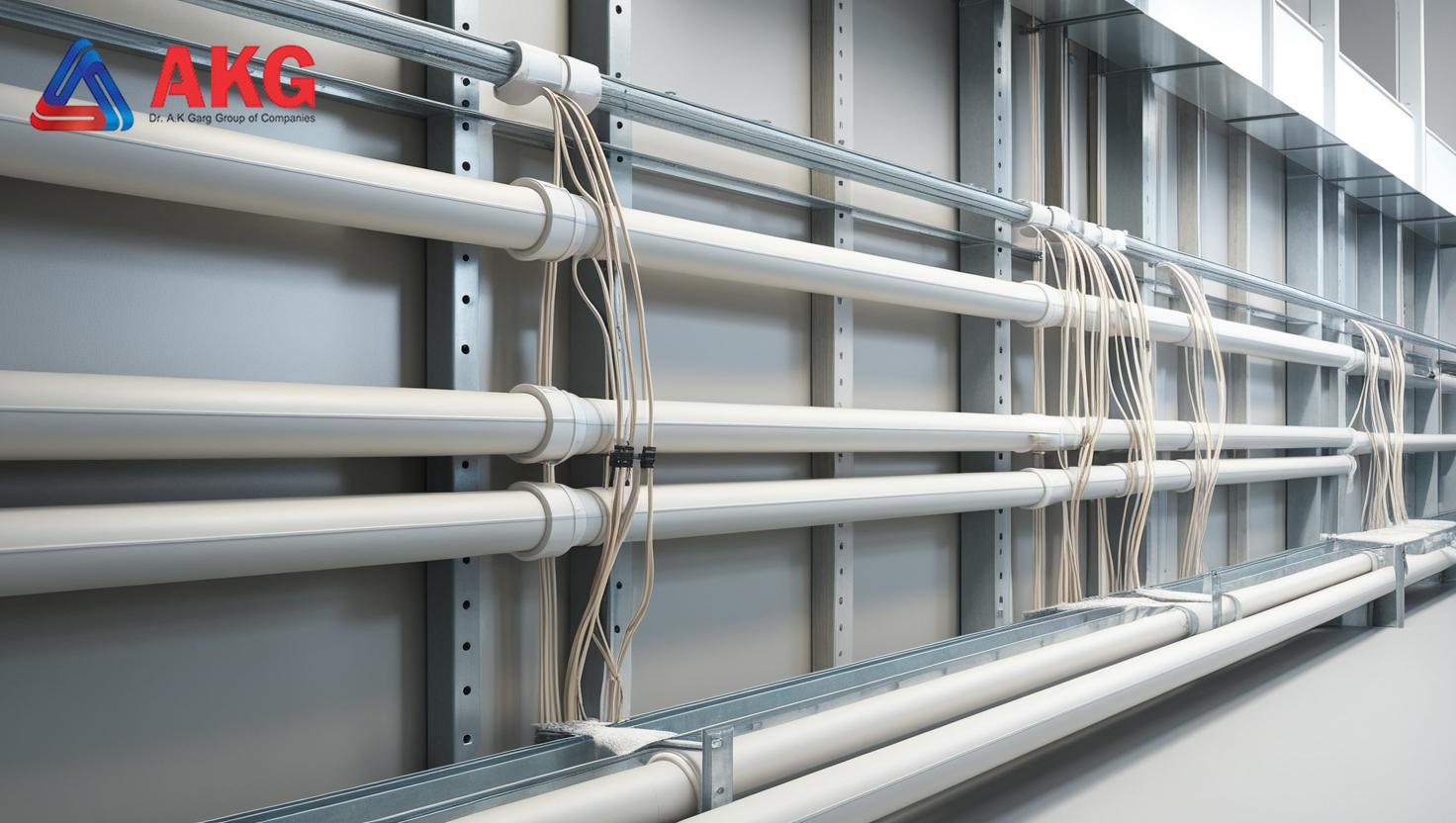
Yes, FRLS cables are specifically designed and rated for use in conduit systems and fixed protected installations inside buildings. Their fire retardant and low smoke properties are particularly valuable in enclosed wiring routes such as conduits inside walls and ceilings, where standard cable combustion could allow fire and toxic smoke to travel through the building structure without visible warning.
4) Does the low-smoke property of FRLS cables affect indoor safety?
Directly, yes. In most fire incidents inside enclosed buildings, smoke inhalation is the primary cause of incapacitation before direct flame exposure. The low-smoke characteristic of FRLS cables reduces the rate at which toxic and visibility-impairing smoke accumulates in occupied spaces following an electrical fire. This property significantly improves indoor air conditions during the critical evacuation window and reduces risk of injury to both occupants and emergency responders.