What Is a Casing in Borewell and Why It Is Used
.jpg)
If you are planning to drill a borewell for your home, farm, or industrial unit, understanding what is casing in borewell is the first step toward making a smart, long-lasting investment.
A borewell is not just a hole in the ground. It is a carefully engineered groundwater extraction system. Without the right structural support, even a well-drilled borehole can collapse, get contaminated, or stop performing within a few years.
That is where borewell casing plays a critical role.
What a Borewell System Is and Why Support Structures Matter
A borewell is a narrow, deep hole drilled vertically into the ground to reach underground water-bearing zones called aquifers. These borewells are used widely across India for domestic water supply, agricultural irrigation, and industrial groundwater extraction.
The deeper you drill, the more the borehole encounters different soil and rock layers. Some of these layers are loose, sandy, or unstable. Without structural reinforcement, the borehole walls can cave in, destabilizing the entire well.
Support structures are therefore not optional. They are fundamental to borewell performance and water safety.
What Casing Means in Borewell
Borewell casing refers to the process of lining the drilled borehole with a pipe from the top down to a certain depth. This lining holds the borehole walls in place, prevents soil or rock from collapsing into the well, and keeps surface-level contaminants from entering the groundwater.
In simple terms, casing is the structural backbone of any borewell. It creates a secure, clean, and stable channel through which water can be extracted safely.
Casing is typically installed along the upper section of the borewell, particularly through unstable or loose soil zones. In certain geological conditions, it may extend deeper depending on the site requirements.
What a Casing Pipe Is and How It Is Related to Borewell Casing
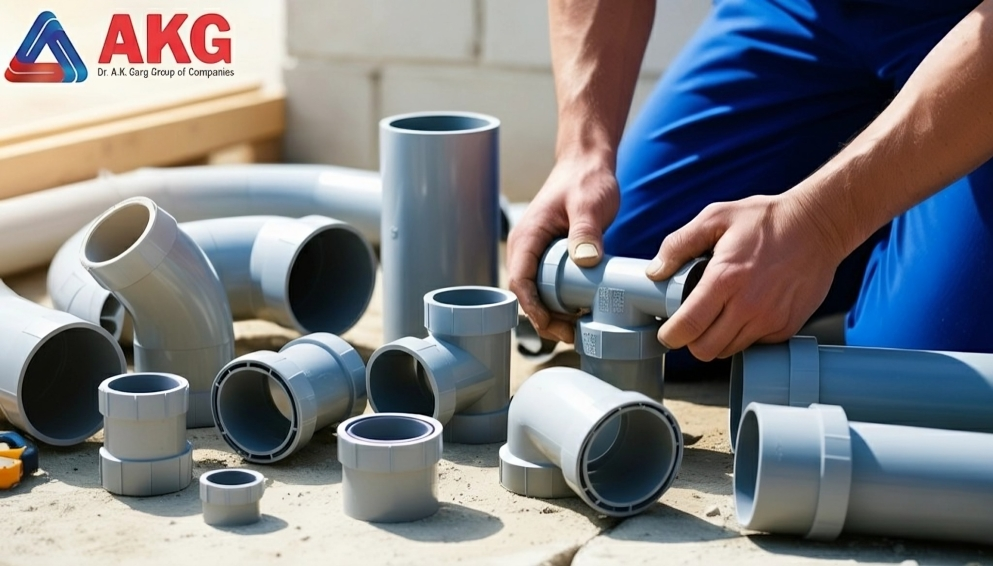
A casing pipe is the physical pipe used to carry out the casing process. It is inserted into the drilled borehole to line its walls and provide structural integrity to the well.
Modern borewell casing pipes are manufactured from uPVC (Unplasticized Polyvinyl Chloride), which offers significant advantages over traditional materials like mild steel:
- Completely rust-proof and corrosion-resistant
- Chemically inert, ensuring no contamination of groundwater
- Lightweight and easy to handle during installation
- Long service life even in saline or mineral-rich groundwater conditions
- Does not scale or allow bacterial buildup over time
The casing pipe for borewell applications comes in plain versions as well as slotted or screen versions. Slotted pipes are placed near water-bearing zones to allow controlled water entry while keeping sand and soil particles out.
Why Casing Is Essential in Borewell Construction
Without proper casing, a borewell faces several serious risks:
- Borehole collapse: Loose or sandy soil layers can cave in, blocking or destroying the well entirely
- Contamination: Surface water carrying agricultural chemicals, sewage, or pollutants can seep into the borehole and mix with groundwater
- Sand ingress: Soil particles can enter the well, damaging submersible pumps and reducing water quality
- Structural failure: An uncased or poorly cased borewell deteriorates rapidly, leading to expensive repairs or complete re-drilling
Casing addresses all of these risks. It creates a clean, stable, and protected pathway for water extraction from the aquifer to the surface.
How Casing Supports Long-Term Borewell Performance
A well-cased borewell delivers consistent performance for decades. The casing pipe acts as a permanent structural element of the well, and its quality directly determines the lifespan of the borewell.
Quality uPVC casing pipes conforming to IS 12818 standards are precision-engineered to handle the pressure and load conditions at various depths. They are available in classifications suited to different drilling depths:
- CS (Shallow): For borewells up to 80 meters
- CM (Medium): For borewells up to 250 meters
- CD (Deep): For borewells beyond 250 meters
Matching the right classification to your borewell depth ensures structural integrity and sustained water yield over the long term.
Practical Factors That Make Casing Important
Beyond structural support, casing has several practical benefits that matter to homeowners, farmers, and contractors:
- It simplifies pump installation by providing a clear, aligned channel for the submersible pump and column pipe
- It reduces maintenance needs by protecting the borewell from external damage
- It helps maintain water quality by creating a sealed environment within the borehole
- It makes future servicing easier since the well structure remains intact and accessible
- Slotted casing pipes in aquifer zones help maximize water yield while preventing sand from entering the system
For agricultural applications, a properly cased borewell also supports rainwater harvesting when slotted pipes are used, adding further value to the investment.
Conclusion
Understanding what is casing in borewell goes beyond knowing what a pipe does. It is about recognizing the role that proper structural support plays in delivering safe, clean, and reliable groundwater for years to come.
Whether you are installing a borewell for household use, irrigation, or industrial needs, the casing you choose will define how well your system performs and how long it lasts.
For dependable performance across all soil and depth conditions, investing in the right borewell casing pipe is the single most important decision you will make for your groundwater system.
FAQs
1) What does borewell casing do?
Borewell casing lines the drilled borehole with a pipe to prevent the walls from collapsing, keep contaminants out, and create a clean, stable channel for water extraction. It is installed through unstable or loose soil zones and protects the structural integrity of the well throughout its operational life.
2) Is a casing pipe necessary for every borewell?
Yes, casing is essential in most borewell installations, especially in loose, sandy, or unstable soil conditions where borehole collapse is a risk. Even in rocky terrain, casing is used in the upper section of the borewell to prevent surface contamination from entering the groundwater supply.
3) How does casing help keep water clean?
Casing creates a sealed barrier between the borehole and surrounding soil. This prevents surface-level contaminants such as agricultural runoff, sewage, and chemical seepage from entering the borehole. Slotted casing pipes near aquifer zones further filter sand and soil particles, ensuring cleaner water reaches the pump.
4) Is casing the same as a column pipe in a borewell?
No, casing and a column pipe serve different functions. Casing lines the borehole walls to provide structural support and prevent collapse. A borewell column pipe is installed inside the casing to connect the submersible pump to the surface and carry extracted water upward. Both are essential but work at different stages of the borewell system.