A Complete Guide On Understanding Wires And Cables
Introduction: Understanding Wires and Cables
Wires and cables are the lifelines of modern electrical and communication systems. They carry electricity, transmit data, and connect devices, making them essential in homes, offices, factories, and public infrastructure. Although often used interchangeably, wires and cables are not exactly the same. A wire typically refers to a single conductor, while a cable consists of two or more conductors bundled together, usually with insulation and protective sheathing.
Whether for household electrical wiring, industrial machinery, or internet connectivity, wires and cables play a critical role in ensuring reliable performance and safety. Understanding the different types, their benefits, and the factors that affect their durability can help you make informed choices.
Types of Wires and Cables
Different applications require different types of wires and cables, each with specific characteristics:
Wires –
Single conductors used to carry electricity in residential, commercial, and industrial systems.
Coaxial Cables –
Designed for high-frequency signals, often used for television and internet connections.
Twisted Pair Cables –
Common in telephone and network cabling, with pairs of wires twisted to reduce interference.
Fiber Optic Cables –
Transmit data as light signals, offering high-speed communication over long distances.
Armored Cables –
Provide extra protection for underground or industrial installations.
Control Cables –
Used in automation systems to transmit control signals.
Choosing the right type depends on the application, environment, and performance requirements.
Why Wires and Cables Matter
Wires and cables are fundamental to the safe and efficient operation of electrical and communication systems. Without them, power distribution and information transfer would be impossible. High-quality wires and cables reduce the risk of electrical hazards, improve performance, and extend the lifespan of devices and systems.
In industries, they ensure machines run smoothly, while in homes they keep appliances and lighting functioning reliably. The right choice of wires and cables can also help optimize energy efficiency and minimize maintenance costs.
Benefits of Wires and Cables
Using the right wires and cables offers several key benefits:
Safety –
Reduces the risk of short circuits, fires, and electrical shocks.
Efficiency –
Minimizes energy loss during transmission.
Durability –
High-quality materials withstand wear, corrosion, and environmental stress.
Flexibility –
Available in various sizes, types, and insulation materials to suit different needs.
Cost Savings –
Reliable performance reduces maintenance and replacement costs over time.
By investing in proper wires and cables, you ensure not just functionality but also long-term value.
Wires and Cables Safety: What You Need to Know
Wires and Cables Safety is one of the most important considerations in any electrical or communication system. Using wires and cables with the correct insulation, conductor material, and size for the intended load helps prevent overheating and electrical faults. Proper installation techniques, such as avoiding sharp bends and securing cables firmly, reduce wear and potential hazards. Regular inspections are also essential to identify damaged insulation, loose connections, or exposure to moisture, all of which can lead to dangerous situations if not addressed promptly.
Durability of Wires and Cables: What Affects It?
The lifespan of wires and cables depends on several factors:
Material Quality –
Copper conductors generally last longer than aluminum due to better conductivity and corrosion resistance.
Insulation Type –
High-grade insulation protects against heat, moisture, and mechanical damage.
Installation Method –
Proper routing and securing prevent strain and bending that can lead to wear.
Environmental Conditions –
Exposure to extreme temperatures, chemicals, or moisture can shorten lifespan.
Maintenance –
Regular inspections help detect and resolve issues before they become serious.
Choosing the right wires and cables and maintaining them properly ensures long-term reliability.
How to Choose the Right Wires and Cables
Selecting suitable wires and cables requires careful consideration of:
Application –
Power supply, data transfer, control signals, or a combination.
Current Capacity –
Ensuring the cable can handle the electrical load without overheating.
Voltage Rating –
Matching the cable to the system’s operating voltage.
Environment –
Indoor, outdoor, underground, or industrial conditions.
Standards and Certification –
Choosing products that comply with safety regulations and industry standards.
Consulting an experienced electrician or engineer can help you make the best choice for your specific needs.
Common Mistakes to Avoid with Wires and Cables
When it comes to Common Mistakes to Avoid in wiring projects, one of the biggest is selecting the wrong type or size of wires and cables for the intended load. This can result in overheating, energy loss, or even electrical fires. Poor installation practices, such as running cables too close to heat sources, leaving them unsupported, or failing to use proper connectors, can also lead to premature failure. Another frequent mistake is ignoring manufacturer guidelines and safety standards, which can compromise performance and safety. By being aware of these mistakes, you can ensure a more reliable and hazard-free installation.
Conclusion
Wires and cables are far more than simple connectors; they are essential components that power and link the modern world. By understanding their types, benefits, durability factors, and selection criteria, you can ensure safe, efficient, and long-lasting performance. Paying attention to safety and avoiding common mistakes will not only protect your investment but also enhance the overall reliability of your electrical and communication systems.
Whether you are working on a household project, an office setup, or an industrial installation, choosing the right wires and cables is a decision that directly impacts safety, performance, and efficiency.
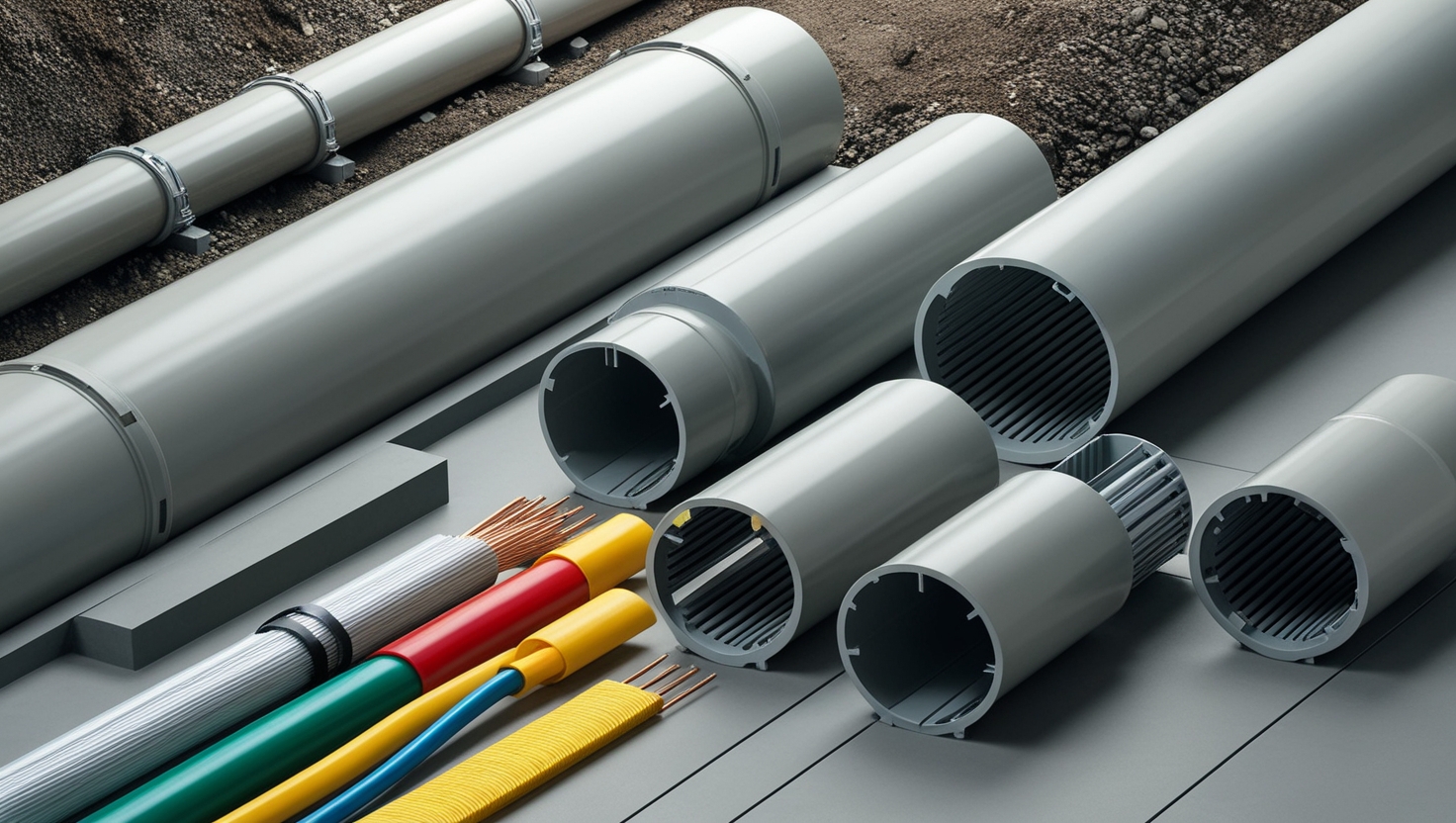
If you're interested in exploring more beyond wires and cables, such as piping solutions, feel free to navigate to our product page, where we offer CPVC pipes, Conduit pipes, UPVC pipes, and more.