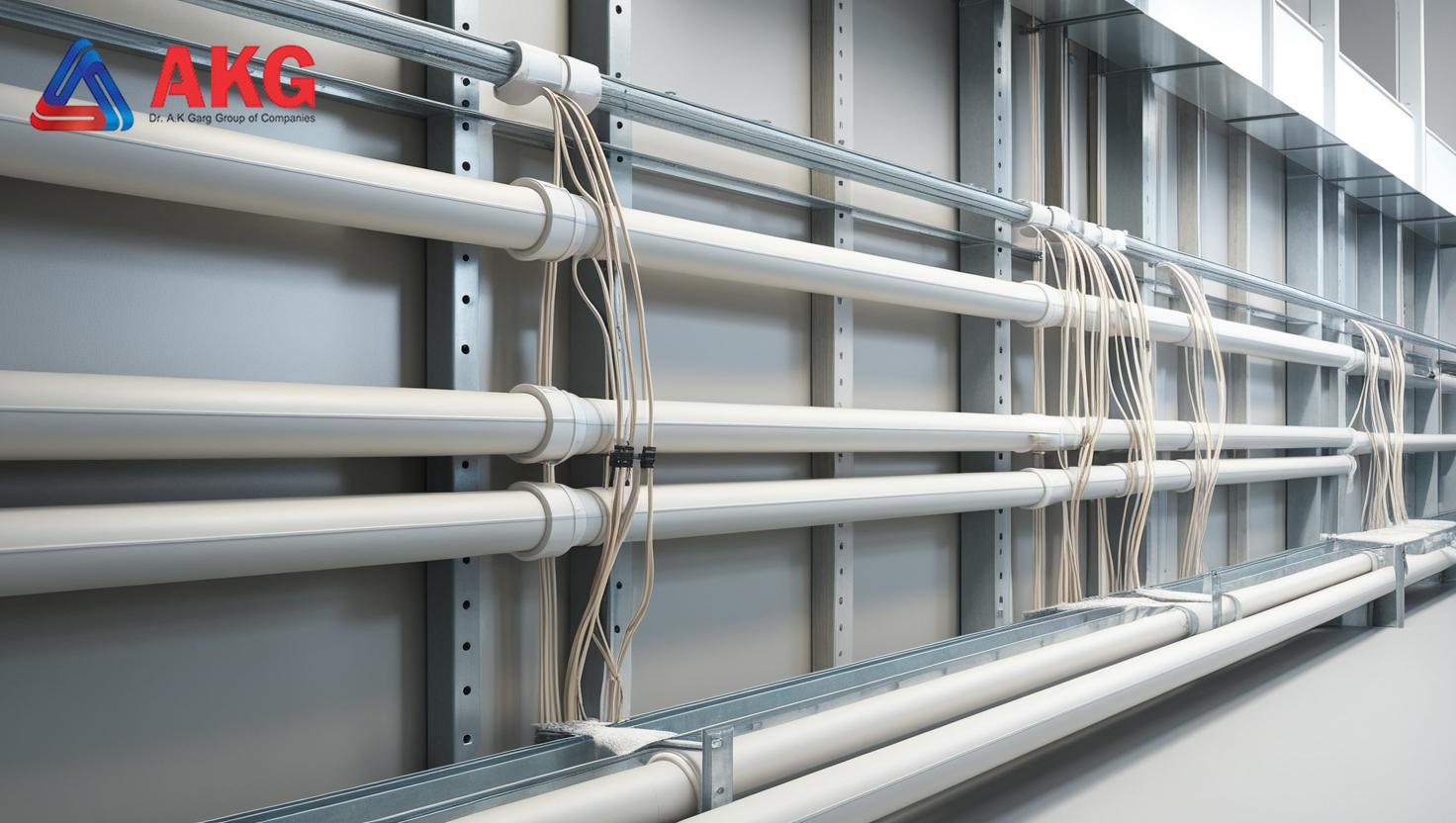
Types of PVC Pipe Fittings: A Complete Guide for Plumbing Success
Introduction: What Are PVC Pipe Fittings?
PVC Pipe Fittings are essential components used to connect, redirect, or terminate polyvinyl chloride (PVC) piping systems. They help create secure and leak-free plumbing setups for a variety of applications, from residential water supply lines to industrial piping systems.
Made from strong yet lightweight thermoplastic material, PVC pipe fittings are resistant to corrosion, chemicals, and general wear, making them a dependable choice for both indoor and outdoor installations. Understanding what they are and how they work is the first step to choosing the right fittings for your project.
Why PVC Pipe Fittings Are Popular in Plumbing
PVC Pipe Fittings have gained widespread popularity in plumbing due to their combination of affordability, durability, and ease of use. Unlike metal fittings, they are immune to rust and scale buildup, which ensures a longer lifespan and better water flow over time.
Additionally, they are lightweight, which reduces labor strain and installation time. Their versatility allows them to be used in a wide range of applications, from drinking water supply systems to irrigation setups.
Types of PVC Pipe Fittings
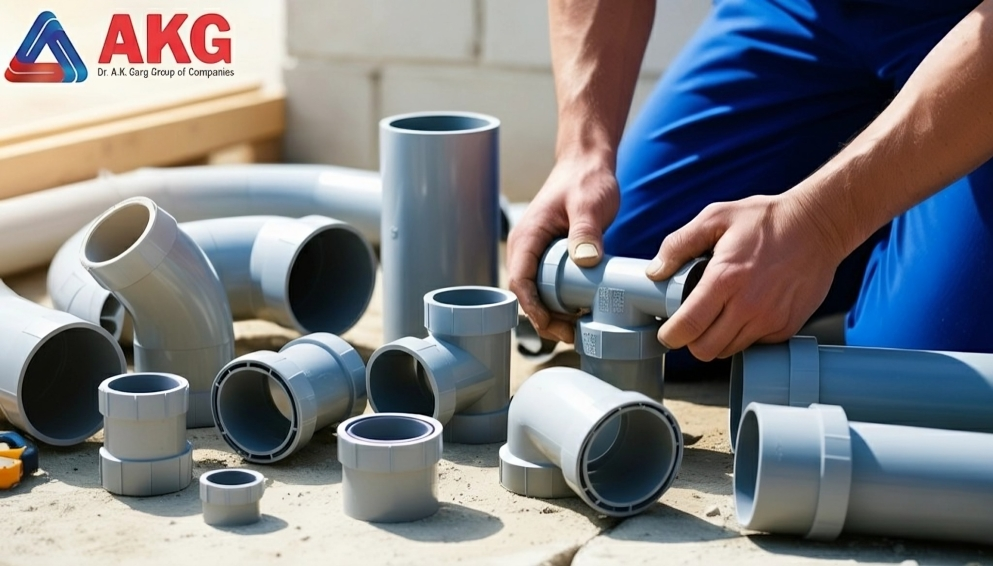
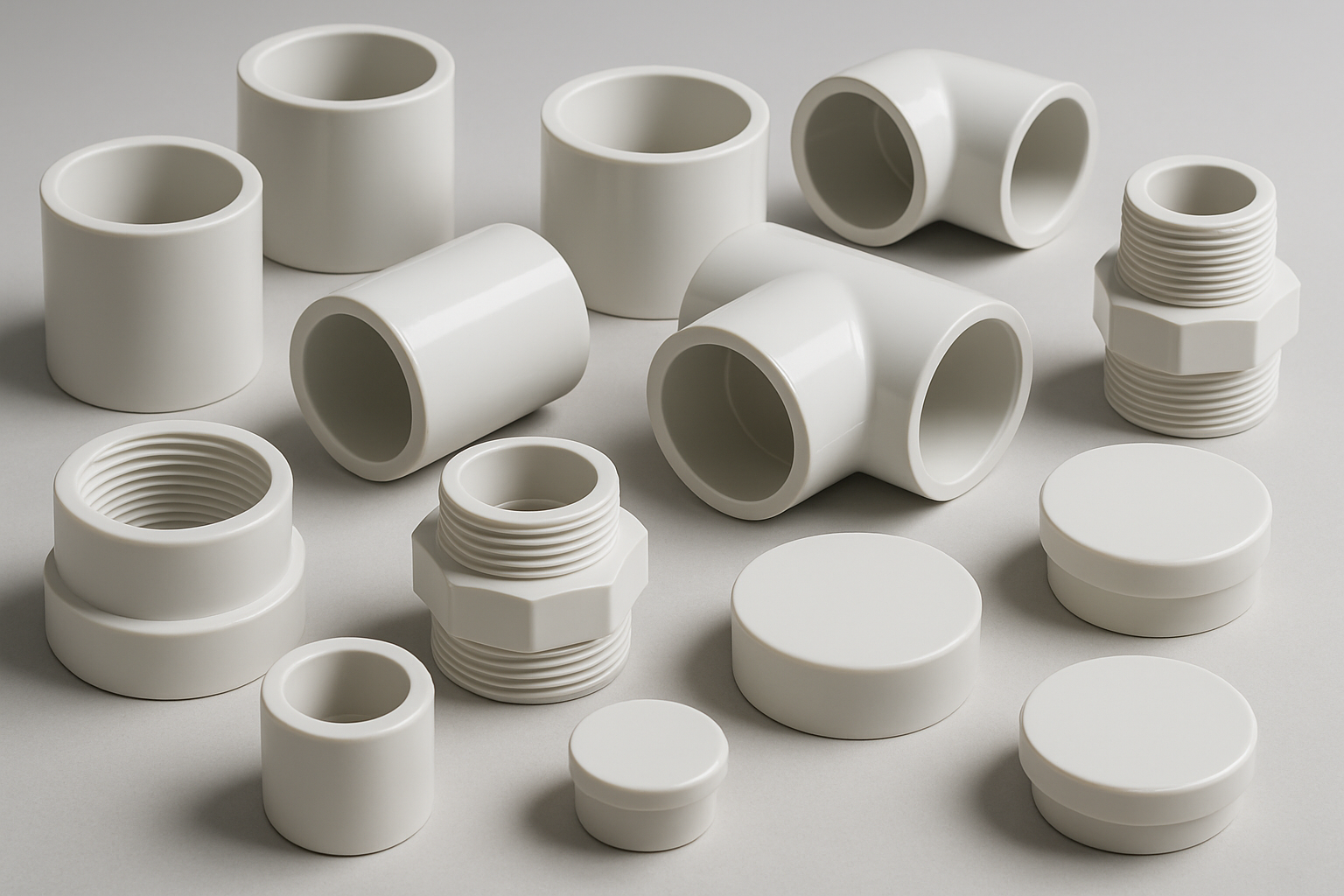
PVC Pipe Fittings come in various shapes and sizes to meet different connection and flow requirements. Here are some of the most commonly used types:
- Couplings: Connect two pipes of the same diameter for an extended run.
- Elbows: Change the direction of the pipe, commonly available in 45° and 90° angles.
- Tees: Allow branching of the pipeline into two directions.
- Reducers: Connect pipes of different diameters.
- Caps and Plugs: Close the end of a pipe to stop the flow.
- Adapters: Connect PVC pipes to pipes made of different materials.
Each type serves a specific function, and the right choice depends on the layout and requirements of your plumbing system.
Key Features to Consider When Choosing PVC Pipe Fittings
Selecting the right PVC Pipe Fittings is about more than just size. A few critical features should be evaluated before purchase:
- Material Grade: Ensure the PVC material meets required safety and quality standards for your intended use.
- Pressure Rating: Match the fitting’s pressure rating with the system requirements.
- Temperature Resistance: Some fittings are designed for higher temperature tolerance than others.
- Compatibility: Confirm the fitting matches the pipe size and type in your system.
- Certifications: Look for industry approvals for potable water or chemical transport if needed.
Applications of Different PVC Pipe Fittings
The adaptability of PVC Pipe Fittings makes them suitable for various applications, including:
- Residential Plumbing: Hot and cold water supply lines.
- Irrigation Systems: Garden, lawn, and agricultural water distribution.
- Industrial Applications: Transporting chemicals and fluids safely.
- Drainage Systems: Wastewater and stormwater management.
- Pool and Spa Plumbing: Reliable water circulation systems.
How to Install PVC Pipe Fittings
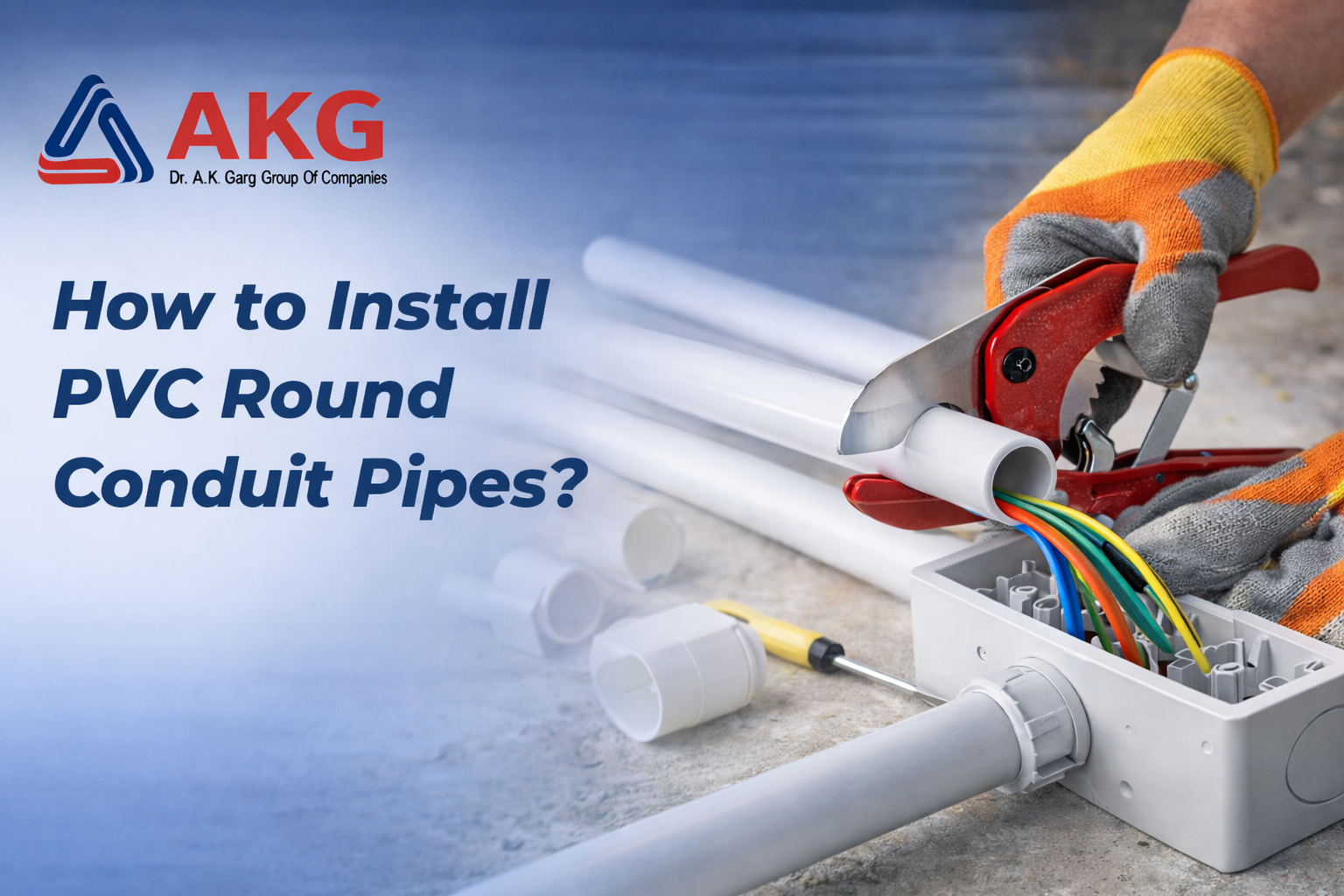
Proper installation ensures that PVC Pipe Fittings perform efficiently and have a long lifespan. The basic process involves:
- Measure and Cut: Cut the pipe to the required length using a fine-toothed saw or pipe cutter.
- Deburr and Clean: Remove sharp edges and clean the surface for a proper seal.
- Dry Fit Components: Test-fit the pipes and fittings without adhesive to confirm alignment.
- Apply Primer and Solvent Cement: Prepare the surfaces and bond the fitting securely.
- Assemble Quickly: Once cement is applied, connect the parts immediately and hold for a few seconds.
- Allow to Cure: Follow the manufacturer’s recommended curing time before pressurizing the system.
Common Mistakes to Avoid When Using PVC Pipe Fittings
Even though PVC Pipe Fittings are user-friendly, improper handling can lead to leaks, reduced system life, or costly repairs. Knowing the common mistakes to avoid can help ensure a trouble-free installation. Common issues include using the wrong type of cement, neglecting proper surface preparation, over-tightening threaded fittings, and failing to check alignment before bonding. Taking time to avoid these mistakes helps maintain both performance and longevity.
Maintenance and Care for PVC Pipe Fittings
While PVC Pipe Fittings require minimal upkeep, some preventive measures can extend their service life:
- Inspect fittings periodically for signs of wear or damage.
- Avoid exposing non-UV-treated fittings to prolonged direct sunlight.
- Use compatible cleaning solutions to prevent chemical damage.
- Address small leaks or cracks promptly to prevent bigger failures.
Conclusion: Choosing the Right PVC Pipe Fittings for Your Project
AKG’s PVC pipe fittings provide a durable, versatile, and cost-effective solution for a wide range of plumbing needs. Because they resist corrosion, are easy to install, and come in many shapes and sizes, they remain a go-to choice for both professionals and DIY users.
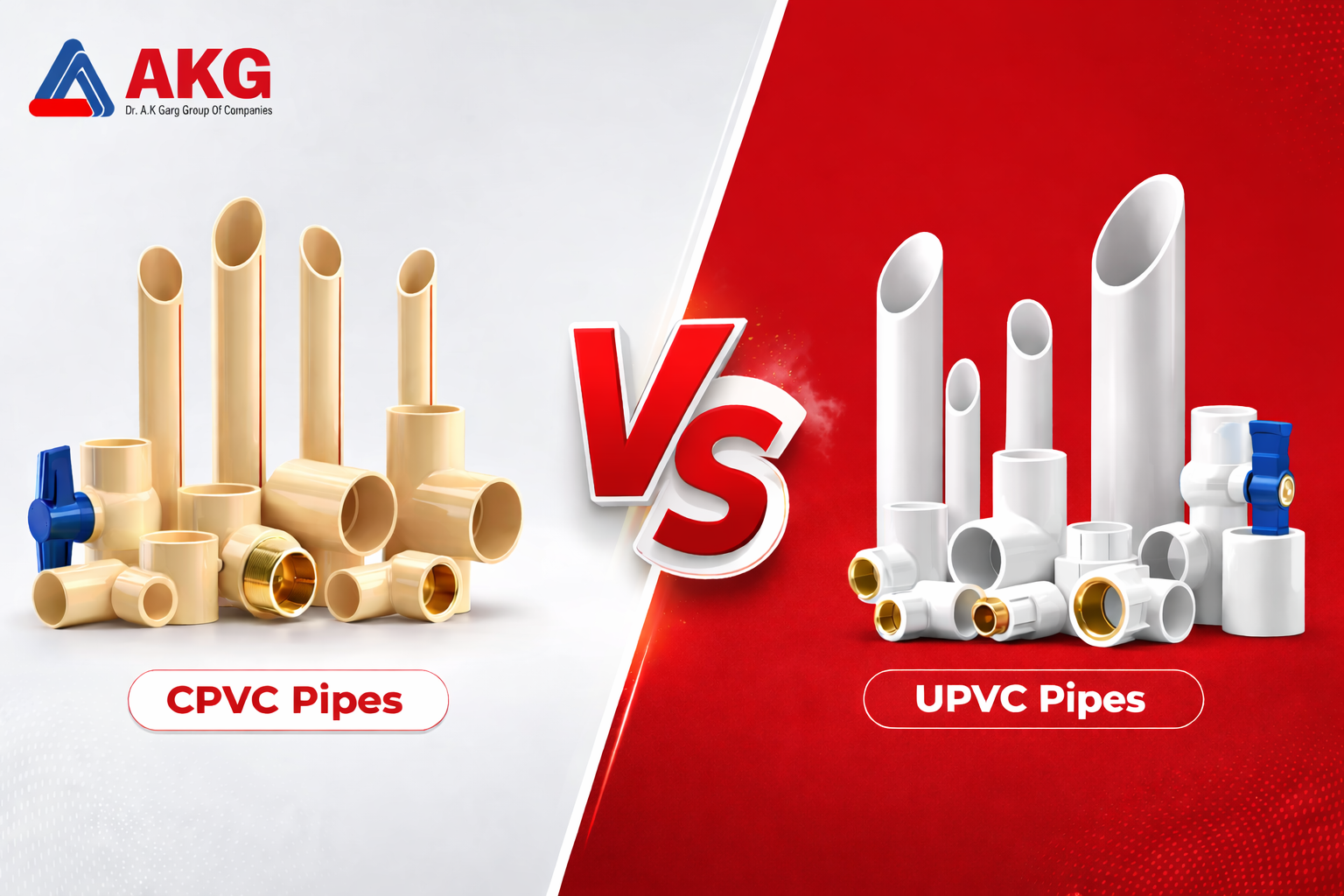
For complete system planning, pair AKG’s fittings with their UPVC pipes and fittings range. If you are designing borewell or submersible pump systems, UPVC column pipe is commonly used as the vertical delivery line to ensure dependable, long-term performance.